
Controversy Surrounds Death of Activist in Bihar: Police Encounter or Extrajudicial Killing?

Unraveling the Circumstances of Bharat Bhushan Tiwari's Death
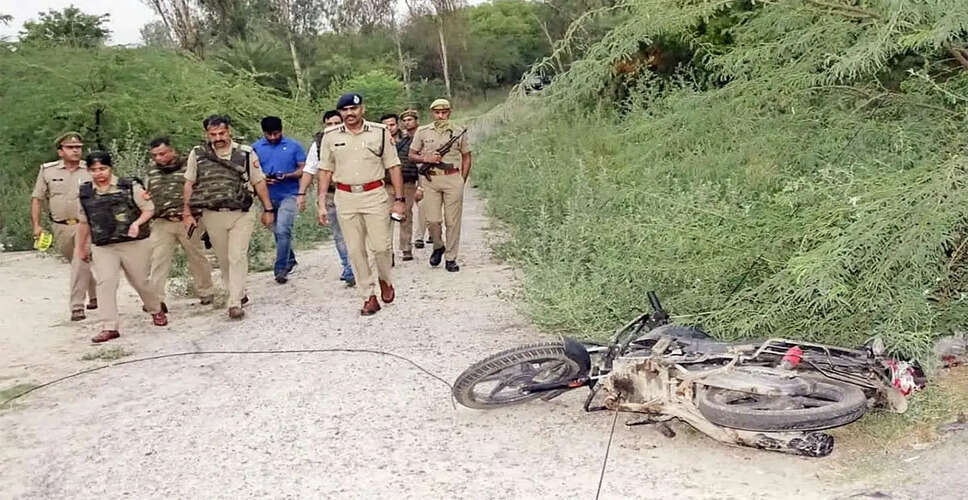
The death of Bharat Bhushan Tiwari in Bhojpur, Bihar, has sparked intense debate across the state. Questions are being raised about whether his demise was truly the result of a police encounter or if he was killed after surrendering. The 28-year-old social activist's passing has sent shockwaves through both political circles and the general public. A video that surfaced following the incident has cast serious doubts on the police's account of events. Amid rising controversy and opposition criticism, the Bihar government has ordered a judicial inquiry into the matter. However, concerns linger regarding the possibility of an impartial investigation. If police officers are found culpable, will they face stringent penalties? Additionally, will the supplier of the alleged illegal weapon linked to Tiwari be held accountable? There are also pressing questions about why similar strict actions are not taken against those responsible for the collapse of under-construction bridges and other corrupt practices in Bihar. Why was Tiwari, who raised his voice against the system, subjected to such a fate?
The incident occurred on June 17, when a police team, along with a special task force, attempted to apprehend Tiwari. According to police reports, Tiwari allegedly fired between eight to ten shots at the officers using an illegal pistol, prompting the police to retaliate in self-defense, resulting in his death. However, the authenticity of this narrative is now under scrutiny.
The situation escalated further when a live-streamed video surfaced on social media, showing Tiwari speaking openly in a field. Notably, he appears to throw his pistol towards the police before gunfire is heard. This raises the question: if he had discarded his weapon, why was he shot?
Family members and local residents assert that the police did not spare Tiwari even after he surrendered, claiming the incident was not an encounter but rather a one-sided action. Conversely, the police maintain that Tiwari was mentally unstable and had been threatening officials. It is worth noting that the Bhojpur police had announced a day prior that they were preparing to disarm Tiwari and send him to a mental health facility. If that was the case, how did the situation escalate to the point of gunfire?
This incident has also ignited a political storm, with opposition parties attacking the government. They argue that fake encounters are being encouraged under the guise of law and order, while the government evades accountability. In response to public pressure, the Bihar government has announced a judicial investigation. The Additional Director General of Police for Law and Order, Sudhanshu Kumar, confirmed that a First Information Report (FIR) has been filed, and the Deputy Inspector General of Police for the Shahabad region has been assigned to oversee the investigation. A separate inquiry committee, led by a retired High Court judge, has also been established. Nonetheless, doubts remain about the impartiality of this investigation.
The state government has suspended four police officers, including the officer in charge of the relevant police station. However, the opposition views this as merely an attempt to alleviate pressure. Meanwhile, Chief Minister Samrat Chaudhary has asserted that the Bihar government will not bow to criminals and will continue its campaign against crime. The entire state of Bihar is now closely watching this judicial inquiry, as the case has transcended a mere encounter, evolving into a broader discussion on police conduct, human rights, and law enforcement.