
Controversy Surrounds Allegations of Mass Burials at Karnataka Temple
Mass Burial Claims Spark Controversy
The issue of alleged mass burials at a temple has been a topic of heated discussion for some time. Initially, reports emerged from a former sanitation worker claiming that multiple bodies had been buried within the temple premises. This assertion quickly gained traction, even attracting international media attention. However, as investigations unfold, the narratives surrounding these claims are evolving, and political tensions are rising.
Karnataka's Deputy Chief Minister Calls Claims a Conspiracy
On Thursday, Karnataka's Deputy Chief Minister D.K. Shivakumar accused the allegations of mass burials at the temple as part of a conspiracy aimed at tarnishing the centuries-old heritage of the temple town. He stated, "A plot is being orchestrated, and I do not wish to speculate on who is behind it. This is a calculated strategy to defame the temple's legacy." He emphasized that the controversy originated from an anonymous complaint.
Shocking Revelations by a Temple Employee
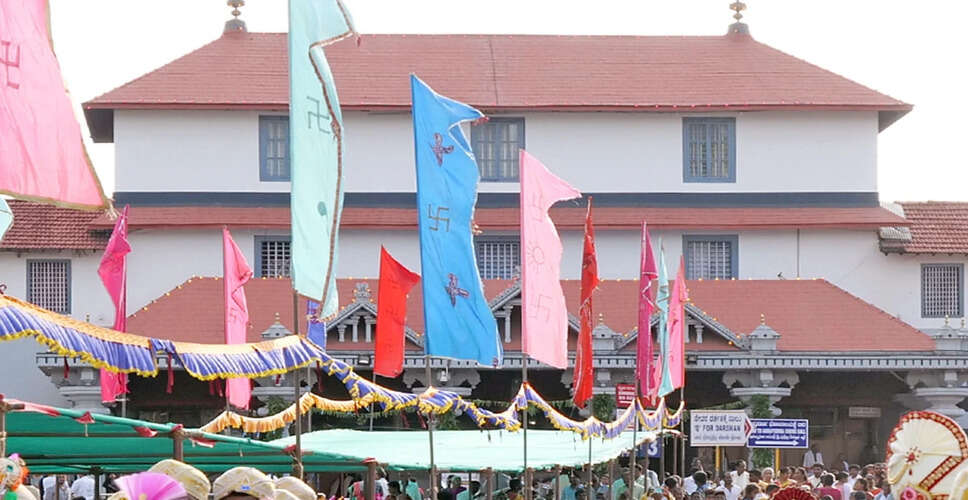
On July 3, a sanitation worker employed at the 800-year-old Shri Dharmasthala Manjunatheshwara Temple submitted a six-page complaint to the office of the Superintendent of Police in South Canara. His allegations were startling: he claimed that between 1995 and 2014, he was coerced into burying hundreds of murder victims, including many women and young girls, silenced forever after alleged assaults.
Viral Sensational Stories About the Temple
This sensational narrative spread rapidly, especially in the age of social media. Within days, videos, posts, and speculative 'revelations' began circulating online. YouTubers dramatically analyzed the accusations, influencers shared their opinions, and some media outlets reached conclusions, creating a dark and scandalous image of the temple even before a special investigation team (SIT) began its work.
Investigations Reveal Different Facts
However, beneath the noise, the facts tell a much different story. Many mainstream Kannada editors and journalists familiar with the temple's long-standing legacy of charity, education, and social service recognized a familiar pattern: an agenda-driven attempt to discredit a respected Hindu institution. Instead of suppressing unverified claims, they chose to exercise restraint. The danger posed by these allegations is far greater than the accusations of a single individual.
SIT Continues Its Investigation Amid Public Support
As the SIT continues its investigation, the streets of Karnataka are echoing a different narrative. Thousands of devotees, community leaders, and even members of minority communities are marching in support of the temple in cities like Chikkamagaluru, Koppal, Yadgir, Mysuru, and Kalaburagi. These rallies carry not just placards but a clear message: the temple's legacy will not be defined by viral outrage or one-sided reporting.
A Cautionary Tale About Media Bias
In an era where clicks often outweigh truth, this incident serves as a warning: bias in storytelling can be as damaging as the allegations themselves. For a sacred institution that has endured changes for centuries, this moment is not just about clearing its name. It is about upholding the principle that truth must be stronger than noise.