
Controversy Erupts Over Foreign Steel in White House Ballroom Project
Concerns Over Material Sourcing
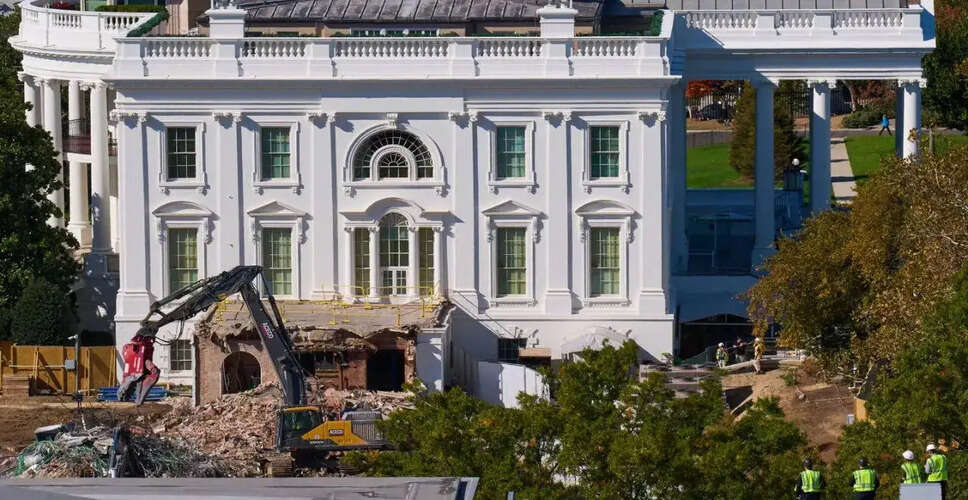
The debate surrounding the planned White House ballroom has evolved from discussions about its design and expenses to a more critical issue: the origin of its materials. Sources familiar with the project have disclosed that it has procured foreign steel worth tens of millions of dollars, primarily from ArcelorMittal, a major steel manufacturer based in Luxembourg. This steel is largely produced in Europe, raising eyebrows given Trump's previous commitments to support American manufacturing.
Contradictions in 'America First' Policy
‘America First’ Meets Global Supply Chains
For years, Trump has championed the US steel industry, implementing a 25% tariff on foreign steel in 2018, which he later increased to 50%. These measures were intended to protect domestic manufacturers from international competition and stimulate local production. However, the choice to utilize foreign steel for a White House project has led to accusations of hypocrisy.
Industry representatives have expressed concerns that this decision could hinder American producers who have benefited from tariff protections and are capable of supplying similar materials domestically. As one industry spokesperson pointed out, US manufacturers are prepared to meet such demands.
The Role of Donations
The Donation Factor
At the heart of this issue is not only the sourcing of materials but also the method of acquisition. Trump previously mentioned that a “great steel company” had offered to donate steel valued at around $37 million for the ballroom project.
The White House has consistently asserted that the entire $400 million project is funded through private donations, ensuring that taxpayers will not incur any costs. A spokesperson defended the initiative, stating that the president is “enhancing the beauty of the White House… at no cost to the taxpayer.” However, the lack of transparency regarding the donors, especially those supplying significant materials, has added complexity to the discussion.Policy Timing and Implications
Timing And Policy Overlap
The controversy is further complicated by the timing of policy decisions. Reports suggest that Trump’s comments about the steel donation occurred just before tariff adjustments that could favor companies like ArcelorMittal, particularly through provisions allowing reduced tariffs for specific steel exports linked to North American production. While officials have dismissed any direct correlation between the donation and policy changes, labeling such connections as “tenuous,” the overlap has nonetheless raised questions within policy and industry circles.
Symbolism and Practicality
A Symbolic Choice With Wider Implications
The decision to use foreign steel in such a prominent project carries significant symbolic implications. The White House is more than just a construction site; it represents a national symbol. Choices related to its development often transcend economic considerations, influencing messaging and public perception.
For critics, the concern lies not just in logistics but in optics: a project framed within an “America First” narrative that relies on foreign supply chains. Conversely, the administration argues that the focus remains on practicality — cost, quality, and private funding. As the ballroom project continues to face legal and political scrutiny, the steel sourcing controversy adds another layer to an already intricate debate. The overarching question now is whether this is merely a one-time decision driven by convenience and donations or indicative of a more adaptable approach to policy when symbolism intersects with practicality.