
Controversy Erupts Over Bureaucratic Neutrality in Himachal Pradesh
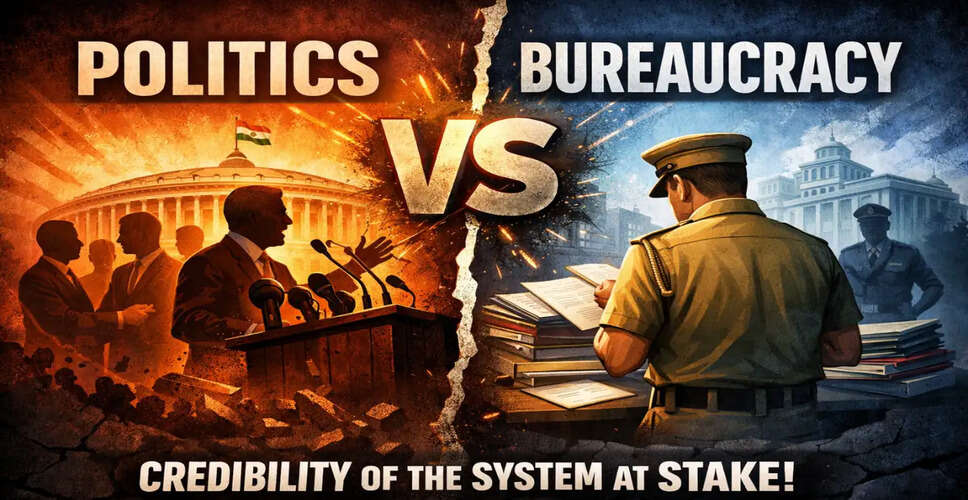

The Impact of Bureaucratic Decisions on Public Trust
Preeti
While governments may change, the bureaucracy remains a constant. The essence of an officer's role is rooted in impartiality. However, when this impartiality is questioned, it can undermine not just the government but the integrity of the entire system.
Recently, in Himachal Pradesh, BJP MLA Sudhir Sharma has raised allegations that service regulations were overlooked to extend an officer's tenure. This accusation transcends a single decision, highlighting significant concerns regarding the interplay between political decisions and administrative integrity.
In a democratic framework, bureaucrats are tasked with executing laws and regulations, free from political bias. When administrative actions seem influenced by politics, it erodes public confidence. Hence, ensuring transparency and accountability is crucial.
This is why, in instances where extensions, appointments, or significant administrative choices are questioned, the government must clarify its reasoning. Transparency stands as a fundamental pillar of democracy.
When the dynamics between politics and bureaucracy come under scrutiny, it reflects not just on an individual but on the credibility of the entire governance system. Upholding faith in democracy necessitates adherence to rules, transparency, and accountability.