
Contaminated Water Crisis in Indore Leads to Multiple Deaths and Illnesses
Health Crisis in Bhagirathpura, Indore
In the Bhagirathpura area of Indore, a severe health crisis has emerged due to sewage bacteria contaminating the city's drinking water supply. This situation has resulted in the deaths of at least ten individuals and left hundreds suffering from serious diarrhea and vomiting. Currently, 142 patients remain hospitalized, with 11 in intensive care units. Health officials reported that screening efforts have reached 2,354 households, identifying 20 new cases of diarrhea.
Official Death Toll and Hospitalizations
According to reports from a news agency, six deaths have been officially confirmed. Since the outbreak began, a total of 398 patients have been admitted to hospitals, with 256 having recovered and discharged. Authorities have stated that the situation is now under control.
National Experts Investigate the Crisis
Dr. Madhav Prasad Hasani, the Chief Medical and Health Officer, announced that a team from the National Institute for Research in Bacterial Infections in Kolkata has arrived in Indore. These experts are providing technical guidance to the health department to prevent further spread of the disease.
Political Tensions Rise Amid Deaths
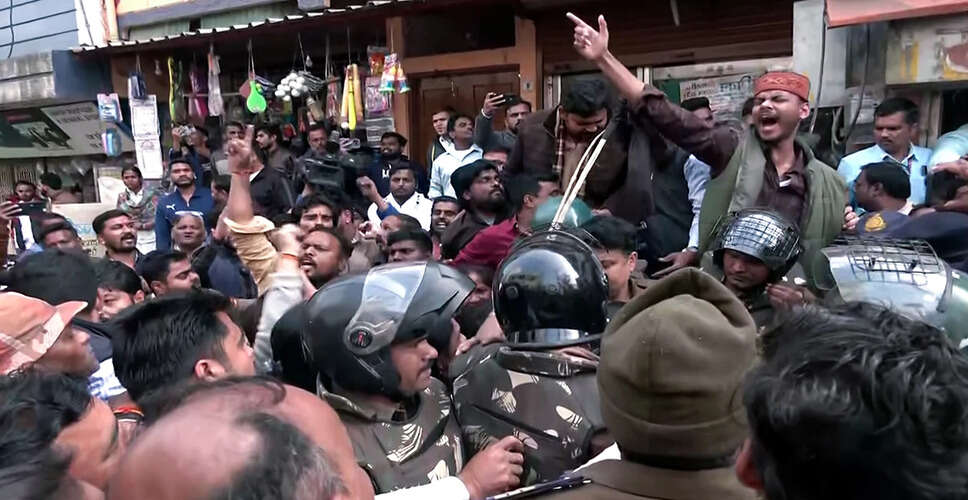
The rising death toll has sparked political tensions. While the administration has confirmed six fatalities, Mayor Pushyamitra Bhargav previously mentioned knowledge of ten deaths. Local residents claim that the contaminated water has led to the deaths of 16 individuals, including a six-month-old baby. Amid growing anger, the Congress party has demanded the resignation of senior minister Kailash Vijayvargiya, who faced backlash for dismissing a journalist's inquiry about the crisis with a flippant remark.
Congress Calls for Accountability
The Congress party is demanding a judicial inquiry and the removal of Vijayvargiya, who oversees the Urban Development and Housing Department and represents the Indore-1 assembly constituency where Bhagirathpura is located. State Congress President Jitu Patwari warned of protests on January 11 if corrective measures are not taken. He also called for charges of involuntary manslaughter to be filed against the mayor and municipal officials, stating, "Sixteen people have died. These deaths are a betrayal of the mandate given to the BJP in the last elections," while accusing officials of ignoring public complaints about contaminated tap water.
SDM Suspended Over Controversial Order
In nearby Dewas, a Sub-Divisional Magistrate was suspended for referencing a minister's controversial comment in an official order related to the protests. The revenue commissioner of Ujjain division, Ashish Singh, cited serious negligence and irregularities as the basis for the suspension, noting that the SDM had copied part of the Congress memorandum verbatim into a government order.
Experts Blame System Failures
Water conservationist and Magsaysay award winner Rajendra Singh described this tragedy as a "disaster created by the system." He warned that if a crisis can occur in Indore, often regarded as India's cleanest city, the situation in other cities regarding drinking water could be even more alarming. Singh attributed the contamination to poor infrastructure planning, stating that sewage water infiltrated the main drinking water pipeline. He remarked, "To save costs, contractors lay drinking water pipelines too close to drainage lines," and expressed concern over the declining groundwater levels in Indore.