
Congress Opposes Rajasthan's Disturb Area Bill with Legal Action and Protests
Congress Takes a Stand Against the Disturb Area Bill
Jaipur, March 8, 2026: The Congress party has adopted a confrontational stance against the recently passed 'Disturb Area Bill-2026' in the Rajasthan Assembly. The party has declared its intention to challenge this legislation through street protests and legal avenues, including appeals to the Supreme Court and High Court.
Passed by a voice vote on Friday (March 6), this bill allows the government to designate certain areas as 'Disturb Areas' where there is a risk of riots, communal tensions, or demographic imbalances. In these designated zones, prior approval from the district collector or administration will be required for property transactions to prevent forced sales or displacement. While the bill aims to maintain social harmony and protect tenants from eviction, Congress labels it unconstitutional and a scheme to foster religious division.
During the assembly debate, Congress state president Govind Singh Dotasra stated, "This is a copy of the Gujarat model, which will increase division in society. If Congress comes to power in 2028, we will abolish this bill immediately." He further alleged that the bill would open avenues for corruption and infringe upon people's constitutional rights.
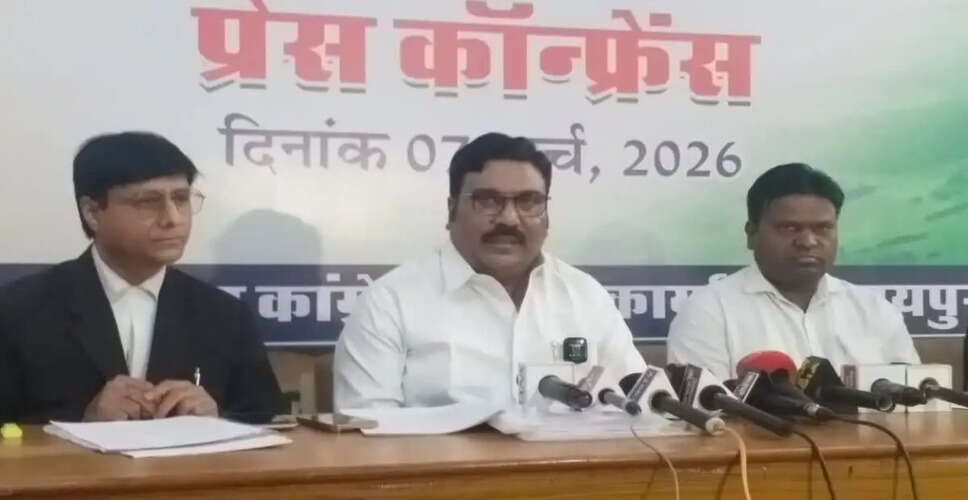
M.D. Choupdar, president of the Rajasthan Congress Minority Department, mentioned in a press conference on Saturday, "This bill goes against the spirit of the Constitution. Our legal team is thoroughly studying the bill. As soon as we receive the governor's approval, we will file a petition in the Supreme Court. We will also intensify our movement across the state." He noted that some organizations, including Buddhist and Christian communities, already have pending petitions related to this issue, which may be heard soon.
Supporters of the bill argue that it will be as effective as similar laws in Gujarat, which have reportedly reduced incidents of forced property acquisition. However, the opposition contends that it will create an atmosphere of fear among minority communities and harm social unity.
Currently, the bill awaits the governor's approval. If passed, Congress's protests and legal challenges could escalate the issue further. Departmental sources indicate that senior officials are taking this controversy seriously and are monitoring the situation closely.