
Congress Leader Criticizes BJP Governments for Undermining Tribal Welfare Laws
Congress leader Jairam Ramesh has launched a scathing attack on the BJP-led governments in Madhya Pradesh and Chhattisgarh, accusing them of undermining tribal welfare and forest rights laws. He claims that the establishment of task forces to institutionalize the RSS's role in these laws threatens democratic structures. Ramesh warns that Odisha is poised to follow suit, further eroding local governance. He links these actions to corporate interests, suggesting they facilitate resource exploitation in forest areas. This article delves into the implications of these developments on India's political landscape.
| Jun 2, 2026, 17:05 IST
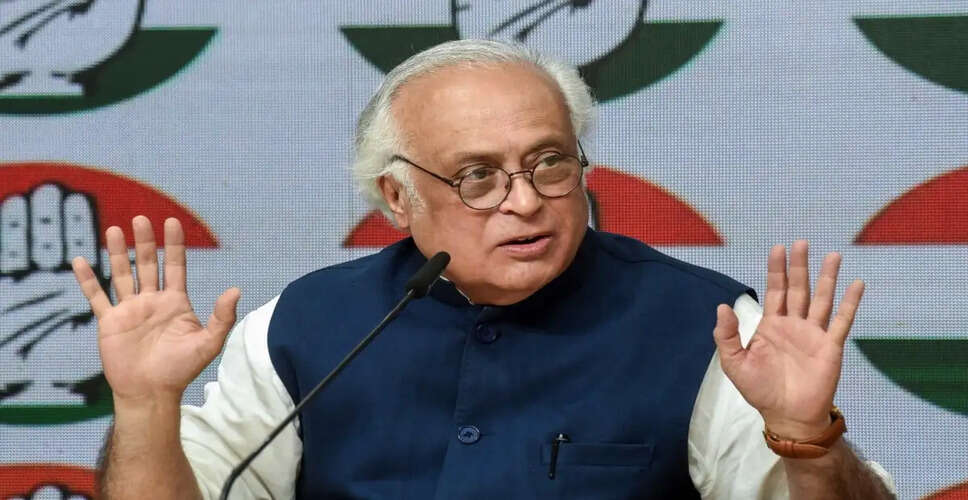

Congress Leader's Accusations Against BJP Governments
On June 2, Congress leader Jairam Ramesh expressed strong criticism towards the BJP-led state governments of Madhya Pradesh and Chhattisgarh. He accused them of forming task forces to institutionalize the role of the Rashtriya Swayamsevak Sangh (RSS) in the implementation of key tribal welfare and forest rights laws. In a post on the social media platform X, Ramesh claimed that Odisha is set to become the third state to establish a similar structure, arguing that this undermines democratic institutions.
Ramesh pointed out that the governments of Madhya Pradesh and Chhattisgarh have created task forces to solidify the RSS's influence in executing the Panchayats (Extension to Scheduled Areas) Act of 1996 and the Forest Rights Act of 2006. He warned that Odisha will soon follow suit. He also accused the RSS-affiliated Akhil Bharatiya Vanvasi Kalyan Ashram of leading initiatives that weaken legal provisions, particularly those that empower local village councils.
He emphasized that these task forces are eroding the fundamental democratic framework necessary for the implementation of these laws, which were passed by Parliament. Ramesh highlighted that the misuse of legal provisions, including those related to the role of village assemblies, is primarily driven by the Akhil Bharatiya Vanvasi Kalyan Ashram. Both the PESA of 1996 and the FRA of 2006 emerged from popular movements, and he argued that their core essence is being deliberately destroyed by these task forces, which also hold executive responsibilities.
Linking the administrative actions to corporate interests, Ramesh alleged that these changes could facilitate the exploitation of natural resources in forest areas, potentially benefiting mining companies. He specifically mentioned the Modani empire in this context.
Stay updated with the latest political developments and major news across the country.