
Congress Criticizes Rapid Implementation of E20 Fuel by Central Government

Concerns Over E20 Fuel Implementation
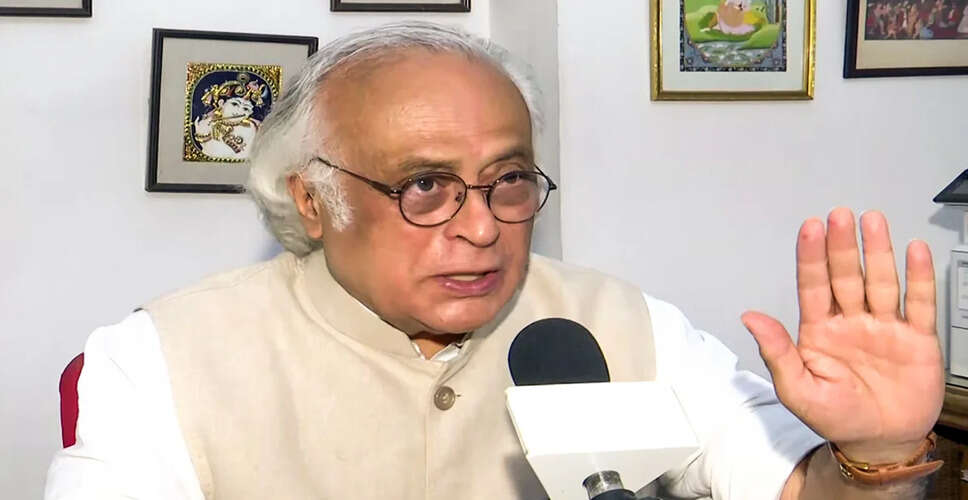
On Wednesday, the Congress party raised concerns regarding the hasty rollout of E20 fuel by the central government, emphasizing the neglect of its potential impacts on water resources and food security across the nation. Party General Secretary Jairam Ramesh stated that a comprehensive assessment of the environmental effects of E20 fuel can only be achieved by considering its implications on water resources and food security.
Ramesh pointed out that while other countries produce ethanol from agricultural residues and various organic wastes, India primarily relies on sugarcane, rice, and corn for ethanol production, which are crops that require significant water. He noted that sugarcane and rice together account for nearly 70% of the country's total irrigation water usage.
Water Consumption for Ethanol Production
He further explained that producing one liter of ethanol from sugarcane requires approximately 3,630 liters of water, while rice demands about 10,790 liters, and corn needs around 4,670 liters. These figures raise alarm, especially as large areas of the country face declining groundwater levels. Ramesh highlighted that the NITI Aayog's 2021 guidelines on ethanol acknowledged the need to shift towards more sustainable raw materials.
Allegations Against Central Government
Despite this, Ramesh accused the central government of promoting the use of rice for ethanol production. He claimed that the government recently admitted in Parliament that ethanol-producing units are being supplied rice at prices nearly 40% lower than the average procurement cost. According to the Congress General Secretary, a truly environmentally friendly fuel policy would evaluate the overall environmental impact of the promoted fuel.
Motivation Behind E20 Promotion
Ramesh alleged that the motivation behind promoting E20 is not environmental protection.