
Concerns Rise Over Press Freedom Following FIR Against Journalist in Una
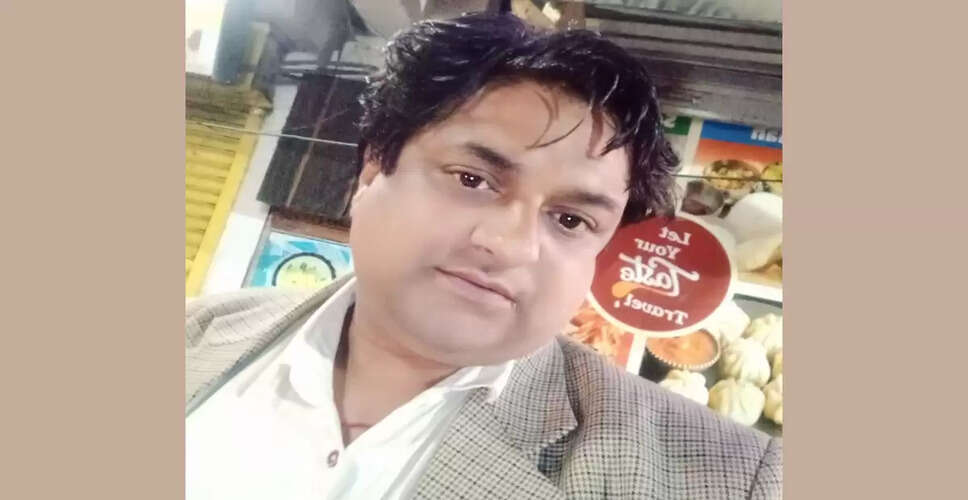
FIR Against Journalist Sparks National Debate
Una: The recent lodging of a First Information Report (FIR) against journalist Avinash Vidrohi in Una district has sparked a renewed national conversation regarding the state of India's democratic institutions and the increasing challenges faced by independent journalism.
Vidrohi, recognized for his investigative work focusing on governance and public accountability, is facing allegations of defamation and disseminating false information as per sections of the Indian Penal Code. The complaint, which is said to have been filed by a local official, claims that the journalist published misleading information that purportedly harmed the reputation of government officials.
While local authorities have justified the FIR as a necessary legal action against what they describe as irresponsible journalism, advocates for press freedom interpret the situation differently.
“This issue extends beyond just one journalist,” stated a representative from the Himachal Pradesh Journalists’ Association. “It reflects a troubling trend of employing legal measures like FIRs to suppress dissenting voices. This shifts the power dynamics away from transparency and towards intimidation.”
Legal professionals and free speech advocates caution that such actions could establish a perilous precedent. “Initiating criminal proceedings against journalists—particularly under vague or broad legal frameworks—induces a chilling effect,” remarked Supreme Court lawyer Anjali Mehra. “It discourages critical journalism and transforms the media’s role from a watchdog into a target.”
Throughout India, journalists are increasingly facing harassment, surveillance, or legal repercussions for reporting that sheds light on systemic issues or challenges those in authority. In Vidrohi’s situation, the FIR was filed shortly after his reports on alleged irregularities within local governance gained significant attention on social media and digital platforms.
“A functioning democracy relies on an independent press to inform the public and scrutinize governance,” commented Professor Raghav Verma, a political scientist at Panjab University. “When journalists are targeted for fulfilling their responsibilities, it undermines public trust and disrupts the mechanisms for holding power accountable.”
In response, national and regional media organizations have denounced the FIR, labeling it an attempt to stifle dissent and calling for the charges to be dismissed. The Editors Guild of India has urged the Himachal Pradesh government to take action to safeguard press freedoms.
S Gopal Puri