
Concerns Rise Over New World Screwworm Cases in Texas

New Cases of Screwworm Detected
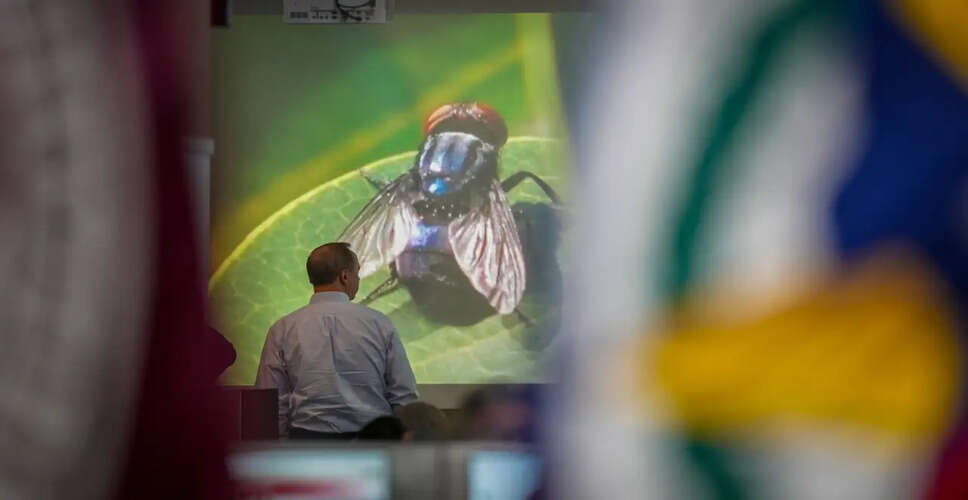
On Monday, the US Department of Agriculture (USDA) announced the discovery of additional New World screwworm cases in Texas, heightening fears regarding the spread of this flesh-eating parasite and its potential effects on livestock, pets, wildlife, and the cattle sector. The USDA's Animal and Plant Health Inspection Service reported new infections in a calf from La Salle County and a goat in Gillespie County. A previously noted case involving a dog in Andrews County was later confirmed as the first case in Lea County, New Mexico, as the animal resides there. These recent findings follow the first confirmed U.S. screwworm case since 1966, which was also in Texas. The New World screwworm is a parasitic fly whose larvae invade the living tissues of warm-blooded animals, leading to severe injuries, suffering, and sometimes death. Although infestations primarily affect livestock and wildlife, the USDA indicates that humans can be impacted in rare instances.
USDA's Response Intensifies
USDA Expands Response As Cases Increase
In light of the rising cases, federal and state authorities have initiated what the USDA describes as a robust response strategy. This includes establishing a 20-kilometer infested zone around confirmed cases, implementing quarantines, controlling movement, enhancing surveillance, increasing trapping efforts along the border, and monitoring wildlife. The USDA is also continuing its sterile fly initiative, which involves releasing sterile flies into affected regions to curb reproduction and diminish the pest population. USDA Under Secretary for Marketing and Regulatory Programs, Dudley Hoskins, stated, "This situation is evolving, and we expect new information to emerge as our investigation continues." On the same day, Texas Governor Greg Abbott revealed that the state's emergency operations center had raised its response level, allocating additional resources to combat the parasite's spread.
Political Reactions and Funding Cuts
DOGE Cuts And Political Blame Come Under Spotlight
The resurgence of the New World screwworm has sparked renewed criticism regarding federal funding cuts made by the Department of Government Efficiency (DOGE), led by Elon Musk. Reports indicate that DOGE reduced funding for a project aimed at monitoring and controlling screwworm in Central America last year. This funding cut occurred shortly before the U.S. lifted a temporary ban on cattle imports from Mexico. Agriculture officials and cattle industry representatives had been warning for months about the northward movement of screwworm infections through Mexico, urging federal action to prevent the pest from entering the U.S. Texas Agriculture Commissioner Sid Miller criticized the USDA's response, stating, "Instead of utilizing every available resource, USDA acted too slowly and relied on a partial solution that takes years to implement fully." He called on President Donald Trump to deploy all available federal resources to address this threat before it escalates into a significant agricultural crisis. Conversely, Agriculture Secretary Brooke Rollins defended the administration's response to the outbreak, dismissing claims that workforce reductions had hampered efforts. She asserted, "There has been zero impact to this mission area based on that reduction in force. In fact, I think the work accelerated significantly when we came on board." Rollins also pointed fingers at the previous administration, noting, "It's important to highlight that not much was done under the last administration to counter this issue." The outbreak has raised alarms within the cattle industry, which is already experiencing its lowest herd levels in 75 years. Officials warn that a widespread resurgence of screwworm could lead to increased animal fatalities, treatment expenses, and economic losses, further straining the U.S. beef supply.