
Concerns Rise Over MV Hondius Amid Hantavirus Outbreak
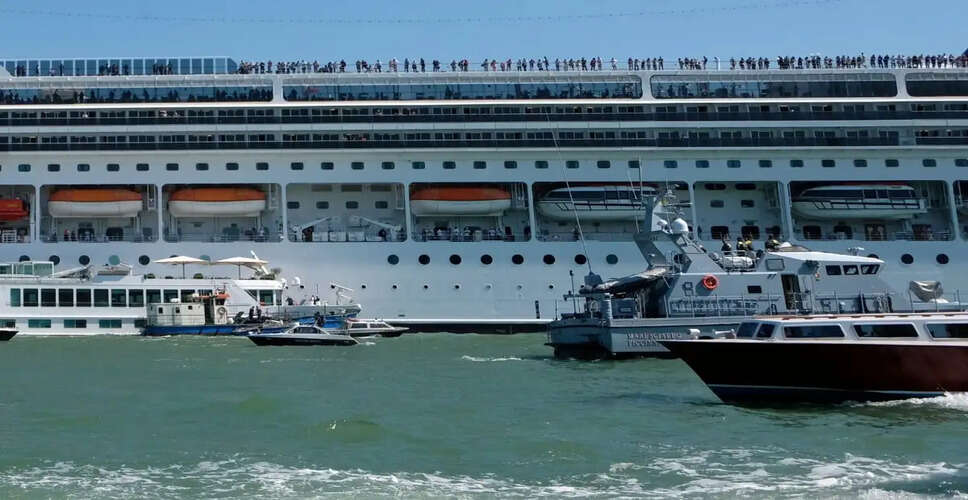

Luxury Expedition Ship Faces Health Crisis
The luxury expedition vessel 'MV Hondius' is currently a source of global concern as it navigates the Atlantic Ocean. Originally intended for bird-watching enthusiasts, the journey turned perilous when the ship encountered one of the deadliest viruses—Hantavirus. Recent investigations have revealed that India is now involved in this international health crisis, with two Indian crew members among the 149 individuals aboard the ship.
Operated by a Dutch polar travel company, we sought detailed information about the passengers on board. On May 4, the company provided a response, disclosing the nationalities of all passengers and crew members for the first time.
The list included 149 individuals from 23 different nationalities, primarily tourists from the UK, USA, Germany, and Spain. However, among the crew members, there were two names that linked the situation to India, confirming their nationality but not their health status.
Limited Information on Indian Crew Members
Oceanwide Expeditions stated that they would only share new information once it is fully verified. No additional details have been provided regarding the Indian crew members, including their roles, health conditions, or whether they had contact with any infected passengers.
Understanding Hantavirus Transmission
The virus affecting the ship is known as Hantavirus, specifically the 'Andes strain,' which can be transmitted from person to person. However, it does not spread through the air in crowded spaces or by sitting near someone. Transmission occurs only through close contact, such as with a spouse, cabin mate, or a doctor treating a patient without protective gear.
Timeline of Events on MV Hondius
The MV Hondius, a specialized expedition ship from the Netherlands, set sail from the southern tip of Argentina on April 1, carrying 149 passengers and crew from 23 different countries. During the voyage, a deadly threat emerged.
Argentinian authorities suspect that the virus originated from a bird-watching tour in Ushuaia, the southernmost city in the world. A Dutch couple on this tour likely inhaled fine particles from infected rodents, unaware of the danger.
On April 11, a passenger died aboard the ship, with the cause of death initially unknown. On April 24, the body was disembarked in St. Helena, with the deceased's wife returning with the remains. By April 27, Oceanwide Expeditions was informed that the wife had fallen ill during the return journey and subsequently passed away. Both were Dutch citizens.
Health Concerns Escalate
On April 27, another passenger fell seriously ill and was transported to South Africa for medical assistance. This individual is currently receiving treatment in an intensive care unit in Johannesburg, with a confirmed case of Hantavirus.
On May 2, another passenger, a German national, died on board. By this time, the World Health Organization (WHO) had been alerted, and the ship was ordered to stop in Cape Verde.
As of tonight, the ship has departed from Cape Verde and is heading towards Tenerife in the Canary Islands. Three critically ill patients have been evacuated by air ambulance, while the remaining passengers are scheduled to disembark on May 11. Health officials across Europe are actively tracing over 80 passengers who traveled on the same commercial flight as the infected woman, unaware of her illness.
WHO Monitoring the Situation
Maria Van Kerkhove, WHO's director for pandemic and epidemic preparedness, emphasized that 'close contact' refers to significant physical interaction, such as sharing a bunk room or providing medical care.
Among the 149 individuals who spent weeks together on the ship, only eight fell ill, indicating that the rest faced minimal risk. WHO Director-General Tedros Adhanom Ghebreyesus confirmed on May 6 that the overall threat to public health remains low, reiterating this point the following day.
On May 7, Ghebreyesus stated that WHO is closely monitoring the situation, as reports emerge of countries whose citizens disembarked from the ship rapidly conducting contact tracing. He also highlighted a concern that could keep health officials vigilant in the coming weeks: the virus's incubation period can extend up to six weeks, meaning additional cases could arise well after the ship docks and passengers return home.