
Concerns Rise Over Iran's Nuclear Program Amid Verification Challenges
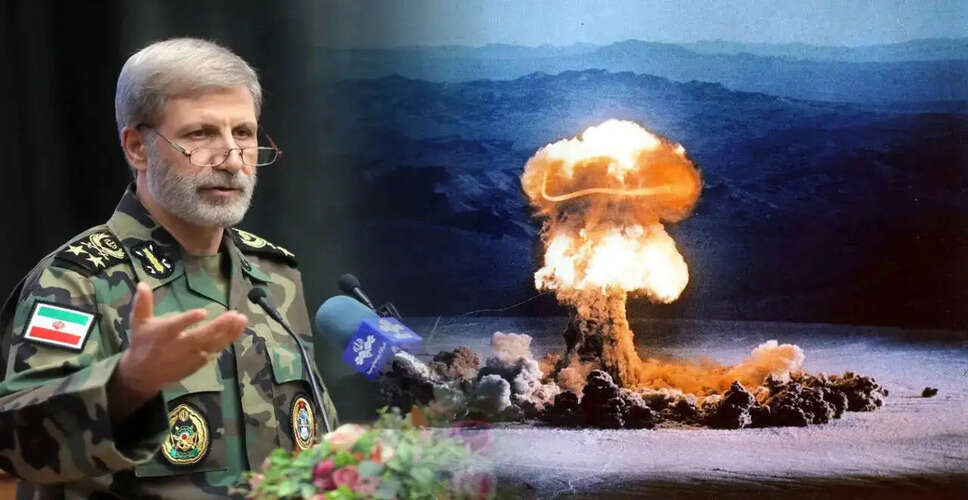

Iran's Nuclear Developments Under Scrutiny
Recent evaluations have brought Iran’s nuclear ambitions back into focus, revealing that a considerable amount of its highly enriched uranium is still located at the Isfahan nuclear facility. The International Atomic Energy Agency (IAEA) has stated that it is currently unable to verify the status of this material due to the suspension of inspections since mid-2025. This verification gap occurs amidst ongoing military pressures, including prior US-Israeli operations linked to broader strategies like Operation Epic Fury. While these operations targeted various sites, the actual impact on uranium storage capabilities remains unclear.
IAEA Director General Rafael Grossi, in a recent discussion, characterized the agency's current understanding as an “informed estimate” rather than a definitive assessment. This distinction is crucial, highlighting both the limitations of intelligence and the lack of transparency regarding Iran’s nuclear facilities.
IAEA Highlights Verification Challenges at Isfahan
IAEA Flags Verification Gap At Isfahan
Grossi noted that satellite imagery still offers some insight into activities at the Isfahan Nuclear Technology Center. However, the absence of physical inspections—essential for verifying the presence and state of enriched uranium—has persisted since monitoring was disrupted during the 12-day conflict in June 2025.
The agency estimates that a significant portion of Iran’s enriched uranium stockpile—potentially including material enriched to 60% purity—was already at Isfahan when hostilities commenced. This material, according to most technical evaluations, would only require a brief enrichment process to achieve weapons-grade status. Additionally, pre-war satellite images have indicated logistical movements into underground facilities, with reports of trucks transporting containerized materials into fortified storage areas, suggesting intentional efforts to protect nuclear assets from aerial attacks.
Strategic Implications and Diplomatic Stalemate
Strategic Implications And Diplomatic Deadlock
The overall strategic landscape is complex. Iran maintains that its nuclear program is for peaceful purposes, while Western evaluations, particularly from the US, assert that Tehran possesses the technical capability to swiftly advance towards weaponization if it opts to do so. Grossi emphasized that the current circumstances differ significantly from the framework established by the 2015 nuclear agreement. Iran’s enrichment capabilities have expanded considerably, utilizing advanced centrifuge technologies and a variety of facilities, complicating verification efforts.
Diplomatic attempts to address the situation seem to be at a standstill. Discussions regarding the potential reduction or dilution of enriched uranium stockpiles—reportedly involving parties like Russia—have not yet resulted in concrete agreements. Concurrent negotiations, including those related to ceasefire mediation, have not adequately tackled nuclear verification issues. The ongoing presence of uranium at Isfahan, coupled with restricted inspection access, heightens the risk environment. The next steps in this standoff will likely depend on access, verification, and the political resolve of all involved parties.