
Concerns Rise Over India's PSLV Rocket Missions Amid Recent Failures
Challenges Faced by India's Space Program
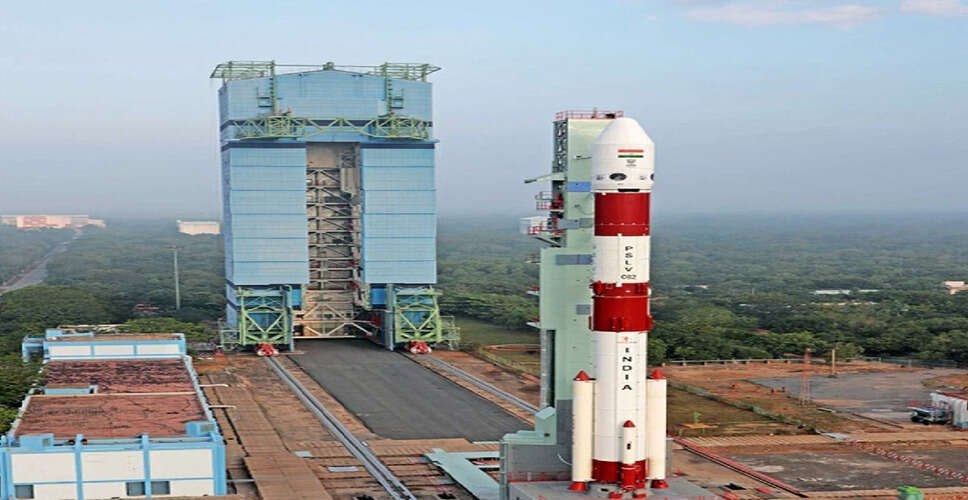
India's space program has encountered significant challenges in recent months. Reports indicate that the Indian Space Research Organisation's (ISRO) PSLV rocket, previously regarded as reliable, has failed to achieve complete success in its missions for the second consecutive time, raising concerns about technical transparency and quality control.
Recent Mission Failures
Notably, the PSLV-C61 mission on May 18, 2025, marked a rare setback for the rocket, often referred to as a 'workhorse.' Approximately eight months later, on January 12, the PSLV-C62 mission launched from Sriharikota at 10:17 AM also faced issues. About 50 minutes into the flight, ISRO's chief, V. Narayanan, confirmed that an anomaly was detected in the rocket's third stage, and a detailed performance analysis would be conducted.
Technical Details of the Missions
The PSLV is a four-stage rocket, and the XL variant was utilized for the C61 mission. The primary payload was the EOS-09 satellite, designed for Earth observation, disaster management, and strategic needs. The mission aimed to place the satellite into a sun-synchronous polar orbit at approximately 529 kilometers. However, a sudden drop in fuel pressure during the third stage forced the mission to abort, resulting in the rocket and satellite falling into the ocean.
Investigation Insights
According to available information, the failure analysis committee has suggested that the issue may lie within the PS3 solid fuel motor system. There are concerns that structural or material defects related to the nozzle or casing may have caused the pressure control failure. However, the committee's report has not been made public as it has been submitted directly to the Prime Minister's office.
Commercial Implications of the Report
Experts believe that keeping the report confidential may have commercial motivations. ISRO is promoting the PSLV as a commercial launch vehicle, and the solid-fuel third stage is considered technically mature. Thus, the failure could indicate lapses in manufacturing or quality checks rather than design flaws, which could impact insurance costs and market credibility if acknowledged openly.
Impact on Future Missions
Regarding the PSLV-C62 mission, ISRO's chief noted that a roll rate disturbance was observed in the third stage, affecting the rocket's flight direction. In simpler terms, the rocket began to spin uncontrollably on its axis, confusing the navigation system and overwhelming the upper stage's small control thrusters.
Ongoing Concerns
Overall, regardless of the precise technical reasons, the recurring issues in the third stage across two missions suggest a potential connection between the incidents. Experts argue that the lack of public access to the C61 investigation report has hindered external technical review, and it is possible that the improvements made before the return were insufficient.
Implications for India's Space Program
Currently, the most pressing concern is that the next launch occurred eight months after a major mission failure, without full transparency, which could affect the credibility of India's space program and its privatization efforts.