
Concerns Rise Over E20 Petrol's Impact on Older Vehicles in India

Demand for Regular Petrol Amid E20 Implementation
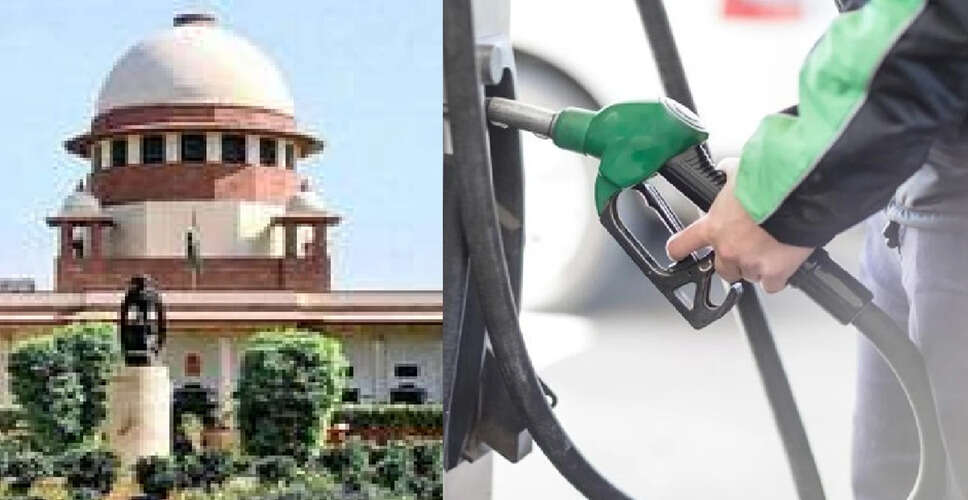
In India, drivers are advocating for the availability of regular petrol as a substitute for E20 petrol, which contains 20% ethanol. A public interest petition has been filed in the Supreme Court, urging the right for consumers to choose their preferred fuel. Experts and vehicle owners argue that E20 fuel adversely affects the engines, pipelines, and mileage of older vehicles. The opposition has criticized the government, calling for automobile manufacturers to clarify their stance and protect consumer interests. While the government promotes ethanol blending for environmental benefits and foreign currency savings, this issue has escalated into a debate between policy and consumer safety.
Why Are Customers Avoiding Regular Petrol?
The rising demand for premium fuel is linked to the government's plan to implement E20 petrol nationwide by April 2025. The government aims to reduce crude oil imports, enhance energy security, decrease vehicle emissions, and increase ethanol production from agricultural raw materials. Although officials assert that E20 petrol is safe for vehicles designed or approved for its use, many owners of older petrol cars and two-wheelers express concerns about its long-term effects. Some customers believe that ethanol-blended petrol negatively impacts fuel efficiency. Due to ethanol's lower energy content per liter compared to regular petrol, drivers report a noticeable decrease in mileage following this nationwide shift.
Is E20 Affecting Older Vehicles?
Beyond mileage concerns, the hygroscopic nature of ethanol raises fears of rust in fuel systems due to prolonged use. Older vehicles, whose rubber seals, hoses, and gaskets were not designed for high ethanol exposure, may face a higher risk of premature deterioration. As a result, many owners of petrol vehicles manufactured before 2023 have started trying premium fuels, particularly ethanol-free XP100, hoping for better mileage and reduced wear over time. The government maintains that E20 is safe for compatible vehicles.