
Concerns Rise Over Child Nutrition in India: Insights from NFHS-6 Report
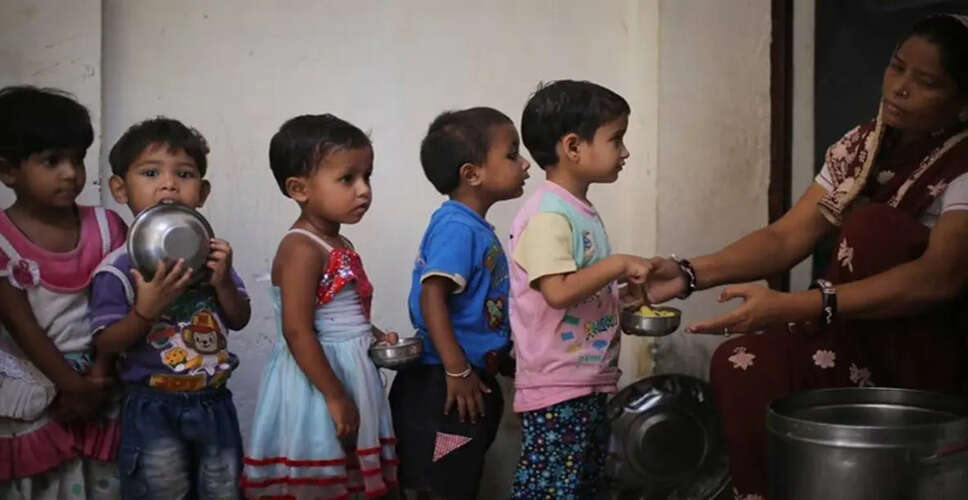

Overview of Child Health in India
The latest report from the National Family Health Survey-6 (NFHS-6) has raised significant alarms regarding the health of children in India. It reveals that the pace of improvement in nutrition levels and health indicators among children remains sluggish, while issues like malnutrition, anemia, and other health challenges continue to pose serious threats.
Malnutrition Among Children
The report highlights that malnutrition persists in several states across the country. Indicators such as underweight, stunting, and inadequate physical development show little expected improvement. Experts attribute this to a lack of balanced diets, poverty, and limited access to healthcare services.
Anemia: A Major Challenge
According to NFHS-6 data, anemia remains widespread among both children and women. The deficiency of iron weakens children's immunity, making them susceptible to frequent illnesses. Health experts have identified this as a critical public health challenge for the nation.
Disparities Between Rural and Urban Areas
The report also reveals ongoing disparities in health indicators between rural and urban regions. Malnutrition and anemia are more prevalent in rural areas, while urban conditions are relatively better, yet still not satisfactory.
Government Initiatives and Challenges
The government has implemented various programs aimed at improving nutrition, such as the mid-day meal scheme, Anganwadi services, and nutrition campaigns. However, the NFHS-6 data indicates that more efforts are needed at the grassroots level.
Experts believe that the effectiveness of these programs will increase only if they are properly implemented and reach the intended beneficiaries.
Expert Opinions
Health specialists emphasize that improving child nutrition requires not only government initiatives but also increased awareness among families. A balanced diet, timely vaccinations, and regular health check-ups play crucial roles in children's development.
Conclusion
The NFHS-6 report presents a concerning picture of child health in the country. While some indicators show improvement, issues like malnutrition and anemia remain significant challenges. This report serves as a warning to policymakers about the urgent need to focus more on children's health.