
Concerns Rise as Nearly Half of National Tea Packets Fail Safety Standards

Widespread Failures in Tea Safety Tests
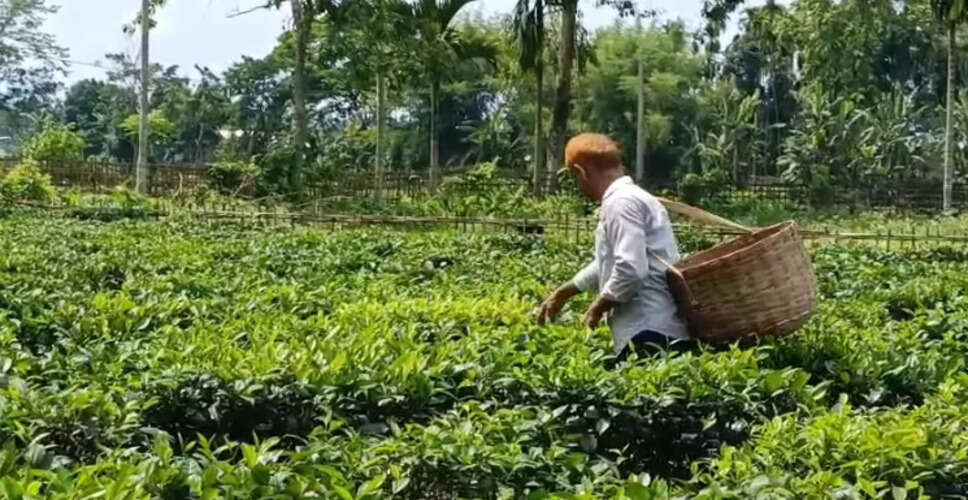
The tea garden in Majuli
Guwahati, June 28: A shocking report indicates that almost 50% of national tea packets examined in the last two years did not meet food safety regulations.
In response to a Right to Information (RTI) request, the Tea Board revealed that out of 1,423 surveillance samples of packet teas tested in 2024–25, 711 were found to be non-compliant. The following year, 1,764 samples were analyzed, with 835 failing to meet quality standards.
The RTI inquiry also requested the identification of brands and packeteers whose products did not pass the tests. However, the Tea Board refused to provide this information, citing third-party confidentiality.
“The names of brands/packeteers/manufacturers are related to third parties. Therefore, sharing such details is exempt under Clause 8 of the RTI Act,” the Board stated in its response.
When questioned about the actions taken against those manufacturers and packeteers whose samples were rejected, the Board offered a vague reply, stating, “Action has been taken according to the existing rules of the Control Orders.” No additional information was shared.
This revelation is particularly alarming given ongoing worries regarding the quality of tea from certain producers and the unethical practices of some packeteers, despite ongoing efforts by the industry and regulatory bodies to enhance quality standards.
Indian tea shipments have often been rejected in international markets due to high pesticide levels and inferior quality.
Official sources indicate that the main causes for tea samples failing safety tests include pesticide levels surpassing allowable limits, the presence of unauthorized chemicals, and misleading labeling claims.
Industry insiders have claimed that some dishonest packeteers mix CTC tea with lower-grade leaves and dust tea, marketing these blends under various brand names.
More than 20% of the tea, including dust grades, sold through the Guwahati Tea Auction Centre is acquired by two major FMCG companies and their associated vendors.
The average price these companies paid for tea at the Guwahati auction ranged from Rs 202.93 to Rs 248.56 in 2024 and from Rs 144.82 to Rs 226.77 in 2025.
In the past two years, various stakeholders in the tea sector—including buyers, sellers, Bought Leaf Factory (BLF) associations, small tea growers, tea research organizations, and regulatory bodies—have engaged in discussions with government officials, including the Tea Board and the Food Safety and Standards Authority of India (FSSAI), to enhance tea quality.
According to industry sources, the government has recently agreed to update the Maximum Residue Limits (MRLs) for the pesticides imidacloprid and acetamiprid, which are significant contributors to tea sample failures. This change is anticipated to help more tea consignments comply with food safety regulations, with formal notification of the revised limits pending.