
Concerns Rise as Dialysis Packages Withdrawn from Private Hospitals in Assam

Impact of Government Decision on Dialysis Patients
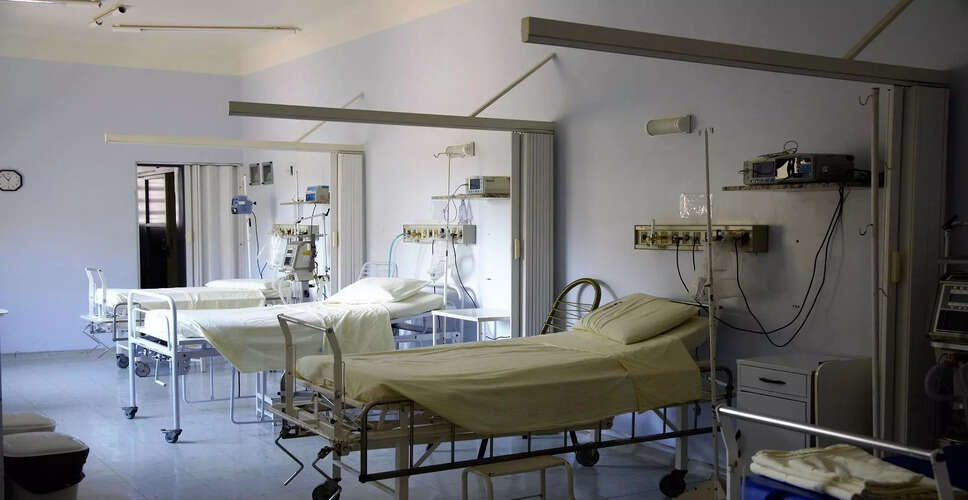
Representational Image
GOALPARA, June 15: The recent announcement by the State government to eliminate dialysis treatment packages from private empanelled hospitals under the Ayushman Bharat-Pradhan Mantri Jan Arogya Yojana (AB-PMJAY) and Ayushman Asom-Mukhya Mantri Jan Arogya Yojana (AA-MMJAY) has raised significant alarm among patients with chronic kidney disease (CKD). Many of these individuals rely on dialysis multiple times a week for their survival.
Patients benefiting from these Ayushman schemes are apprehensive that the cessation of cashless dialysis services in private facilities starting July 1 could drastically hinder their access to essential treatment, especially for those living in rural and isolated regions.
This decision was made as part of the government's strategy to enhance healthcare infrastructure and services at government medical colleges, alongside the rollout of the Pradhan Mantri National Dialysis Programme (PMNDP). The government has specifically excluded chronic haemodialysis, acute haemodialysis, permanent tunnelled catheter placement as an alternative to AV Fistula for long-term dialysis, and peritoneal dialysis from the list of procedures available in private hospitals, as per a notification from the State’s medical education and research department.
In Goalpara district, sources indicate that the Swahid Nidhanu Chandra Civil Hospital operates only seven dialysis machines across three shifts daily, catering to approximately 415 CKD patients each month. To improve services, a new dialysis center with three machines has recently opened at the Lakhipur Block PHC, currently serving 23 registered patients.
Despite these advancements, CKD patients and their families are concerned that the removal of dialysis packages from private hospitals will increase the burden on government facilities, resulting in longer wait times and greater challenges for those needing regular treatment.
Nani Kumar Das, a social worker and CKD patient, expressed that this decision has instilled fear and uncertainty among countless dialysis-dependent individuals throughout the State. He stated, “For kidney patients, dialysis is not optional; it is essential for survival. Many have relied on private hospitals for their proximity and availability of treatment slots. The abrupt withdrawal of these packages has placed patients in a precarious situation.”
Das highlighted that numerous patients, particularly those from rural and economically disadvantaged backgrounds, may now face the daunting task of traveling long distances multiple times a week to access government hospitals for dialysis.
“This frequent travel will lead to increased costs, physical strain, and loss of income for many families. Elderly and critically ill patients will likely encounter the most significant challenges. While enhancing public healthcare infrastructure is commendable, it is crucial to ensure adequate arrangements are in place before implementing such a significant policy change,” he added.
He further urged the government to consider a gradual transition and engage in discussions with patient groups, healthcare providers, and civil society organizations to guarantee that no dialysis patient is deprived of timely treatment.
It is important to note that the notification specifies that private empanelled hospitals will continue to receive reimbursement for dialysis and other treatments under existing guidelines for patients admitted until June 30, 2026. After this date, no payments will be made for such procedures in private hospitals. These changes will take effect on July 1, 2026, although the government may reassess this policy in the future based on healthcare demands and policy considerations.