
Concerns Raised Over Siang Upper Multipurpose Project's Impact on Assam

Concerns Over Siang Upper Multipurpose Project
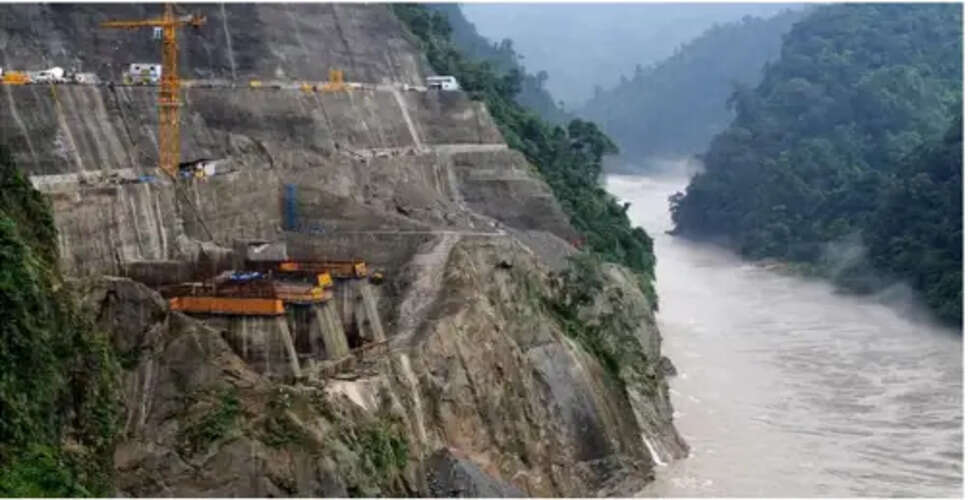
File image of the proposed Siang Upper Multipurpose Project (SUMP) in Arunachal Pradesh (Photo: AT)
GUWAHATI, Nov 9: Gaurav Gogoi, the State Congress president and Deputy Leader of the Congress party in the Lok Sabha, has voiced significant concerns regarding the downstream effects of the proposed Siang Upper Multipurpose Project (SUMP) on Assam.
In a letter addressed to Union Minister of Jal Shakti, CR Patil, Gogoi highlighted the importance of the Siang River within the Brahmaputra basin, which is vital for Assam’s agricultural sector, river ecosystems, and local livelihoods.
He pointed out that any substantial changes to the river's flow must be thoroughly evaluated for their potential impact on flood risks, water security, and the communities downstream.
Gogoi recalled Assam's historical apprehensions about large dam projects in Arunachal Pradesh, noting that in 2014, former Chief Minister Tarun Gogoi had advocated for consultations with Assam before any major dam constructions in the neighboring state. In 2015, he withheld support for the Middle Siang project until its benefits for local communities were clearly established, stressing the necessity for consultations and protective measures for Assam.
While the SUMP is being framed as a strategic counter to China's proposed mega-dam on the Yarlung Tsangpo, Gogoi insisted that the needs of Assam's downstream communities must also be prioritized.
He cautioned that the project's goals of ensuring consistent water flows and flood moderation should not be assumed as guaranteed, especially in a region prone to severe rainfall, landslides, and glacial lake outburst floods.
Referencing Assam's experience with the Lower Subansiri Hydroelectric Project, he raised concerns about sudden water releases, riverbank erosion, flooding, and their effects on local livelihoods.
He also mentioned a 2025 study that highlighted worries among downstream communities regarding flooding, declining fish populations, and agricultural losses.
“These experiences highlight the necessity for independent evaluations, transparent monitoring, and active involvement of affected communities,” Gogoi remarked.
He referred to the findings from the 2013 Cumulative Impact and Carrying Capacity Study of the Siang Sub-Basin, which had identified potential ecological and livelihood impacts from earlier proposed Siang projects, including the effects of daily winter water releases on river islands like Kobo Chapori in Assam.
“Although this study did not evaluate SUMP in its current form, it underscores the need for a thorough assessment of its potential downstream effects,” Gogoi added.
In his correspondence, he requested clarification from the Ministry regarding whether the Government of Assam had been formally consulted about SUMP and called for the release of relevant project assessments and hydrological studies.
He advocated for an independent assessment of downstream impacts affecting Assam, prior consultations with impacted communities and experts, and effective coordination and real-time data sharing between Assam and Arunachal Pradesh to enhance flood monitoring and early warning systems.
Gogoi emphasized that flood management, dam safety, and ecological protection for downstream areas should be central to the project's evaluation, asserting that India's strategic interests should not compromise the safety and livelihoods of its downstream populations.
He urged the Union government to ensure that no irreversible decisions are made without prior consultations with Assam, an independent evaluation of downstream impacts, and a transparent process that allows affected communities to have a significant voice.