
Concerns Raised Over Media Restrictions on Siang Upper Multipurpose Project Coverage

Media Bodies Demand Transparency on Content Restrictions
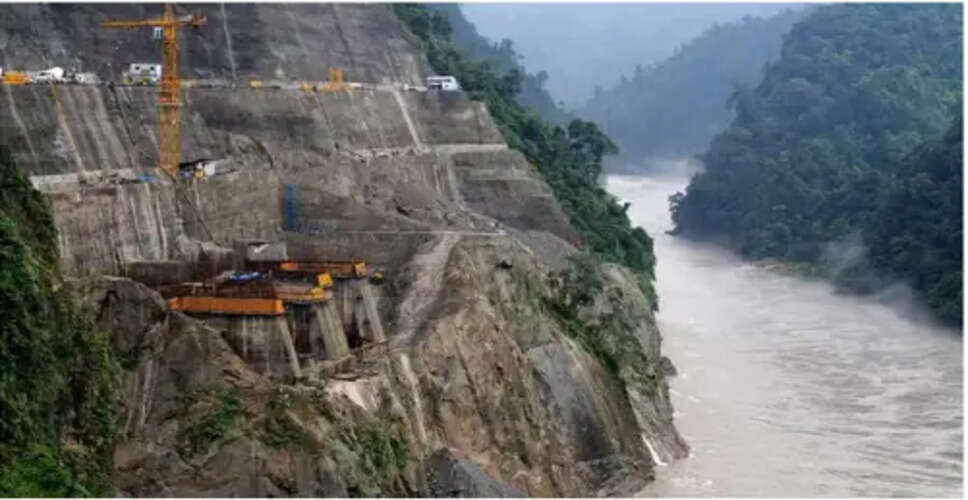
File image of the proposed Siang Upper Multipurpose Project (SUMP) in Arunachal Pradesh (Photo: AT)
Itanagar, Oct 5: On Monday, two prominent media organizations in Arunachal Pradesh expressed concern over reports from journalists indicating that videos and other social media content related to the Upper Siang Hydropower Project have become either inaccessible in India or that access to their accounts has been limited.
In a joint statement, the Arunachal Press Club (APC) and the Arunachal Pradesh Union of Working Journalists (APUWJ) voiced their serious alarm and called for the immediate restoration of legitimate journalistic content that has been restricted solely due to reporting on this project.
They also demanded a comprehensive explanation from the authorities regarding any restrictions placed on journalists or news organizations, emphasizing that the press has a responsibility to report all perspectives fairly and without fear.
According to the statement, "Journalism should not be viewed as a nuisance simply because certain reports are uncomfortable, critical, or contradict official narratives."
The two organizations highlighted the project's significant public relevance, touching on issues of development, environmental impact, displacement, indigenous rights, national interest, and the future of communities along the Siang River.
"As the project faces intense public scrutiny, protests, and discussions between the government and affected communities, limiting legitimate journalistic coverage threatens to deprive citizens of crucial information necessary for informed public dialogue," the statement added.
APC and APUWJ insisted that if any authority has requested the blocking or limitation of legitimate news reports related to the project, they demand immediate disclosure of the legal basis, authority, and specific reasons for such actions.
They urged the government to clarify whether any directives have been issued to social media platforms to restrict reports, videos, accounts, or other journalistic content pertaining to the SUMP.
Protesters in the Siang region have been calling for an immediate halt to the ongoing Pre-Feasibility Report (PFR) activities and survey work associated with the project proposed on the Siang River. They have also requested the withdrawal of security forces stationed in areas that may be impacted by the proposed project.
In contrast, the government has asserted that the 11,000 MW Siang Upper Multipurpose Project is expected to foster economic and social development, create job opportunities for the youth, and enhance water and energy security for both the state and the nation.