
Concerns Raised Over Changes to MGNREGA by Farmers' Union Leader
Satnam Singh Pannu, a leader of the Farmers' Labor Struggle Committee, has raised alarms about recent modifications to the Mahatma Gandhi National Rural Employment Guarantee Act (MGNREGA). He argues that these changes threaten the program's core mission of providing livelihood security for rural families. Citing statistics on job cards issued and employment provided, Pannu highlights the detrimental impact of altered funding ratios and the loss of decision-making power for local governance bodies. This situation raises significant concerns about the future of rural employment initiatives in India.
| Dec 23, 2025, 19:28 IST
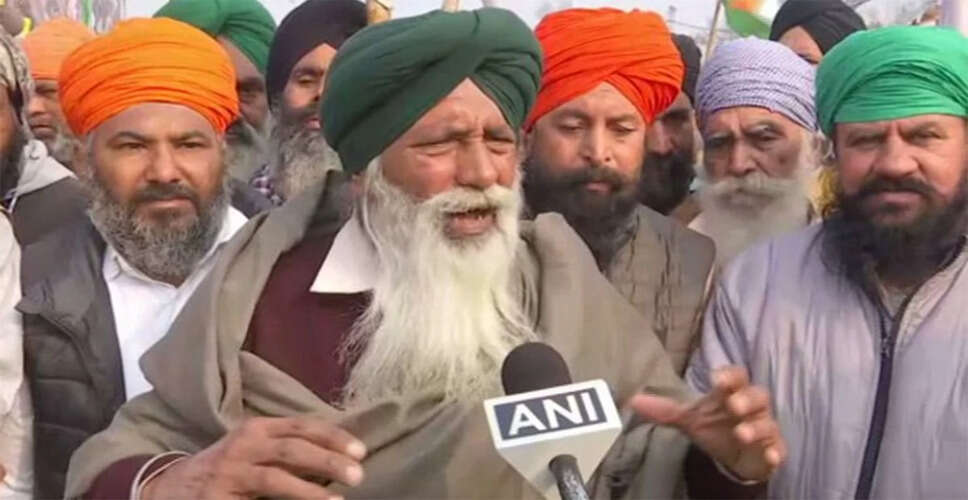
Allegations Against MGNREGA Modifications
On Tuesday, Satnam Singh Pannu, a leader of the Farmers' Labor Struggle Committee (KMSC), expressed serious concerns regarding the Mahatma Gandhi National Rural Employment Guarantee Act (MGNREGA). He claimed that the act is being undermined and diverted from its primary goal of ensuring livelihood security for rural and labor families. Pannu noted that since its inception in 2005, MGNREGA has functioned as a rights-based program, but recent changes implemented by the central government have altered its framework.
Job Card Statistics Highlighted
Pannu referenced official statistics indicating that approximately 260 million job cards have been issued nationwide, with around 120 million beneficiaries receiving employment. In Punjab alone, 2 million job cards have been distributed, resulting in 1.1 million workers finding jobs under MGNREGA.
Concerns Over Structural Changes
He further alleged that the central government has fundamentally changed the structure of MGNREGA, presenting it in a new form that undermines its original objectives. Pannu claimed that the powers of village assemblies and panchayats, which previously made decisions regarding development projects in villages, have been stripped away.
Impact on Development Projects
Pannu emphasized that one of the key features of MGNREGA was the authority granted to village assemblies and panchayats to determine the nature of development work in their areas. This included tasks such as dredging ponds, digging canals, conducting tree plantation drives, irrigation work, and soil filling. He also criticized the change in funding ratio from 90:10 to 60:40, making it increasingly difficult for states to sustain the program.
Financial Burden on States
Previously, the funding structure required the central government to contribute 90% and state governments 10%. The recent revision to a 60:40 ratio has significantly increased the financial burden on states, complicating their ability to continue the program effectively.