
Concerns Over Skilled Professionals Leaving India Highlighted by Air Chief Marshal
Rising Trend of Indian Youth Settling Abroad
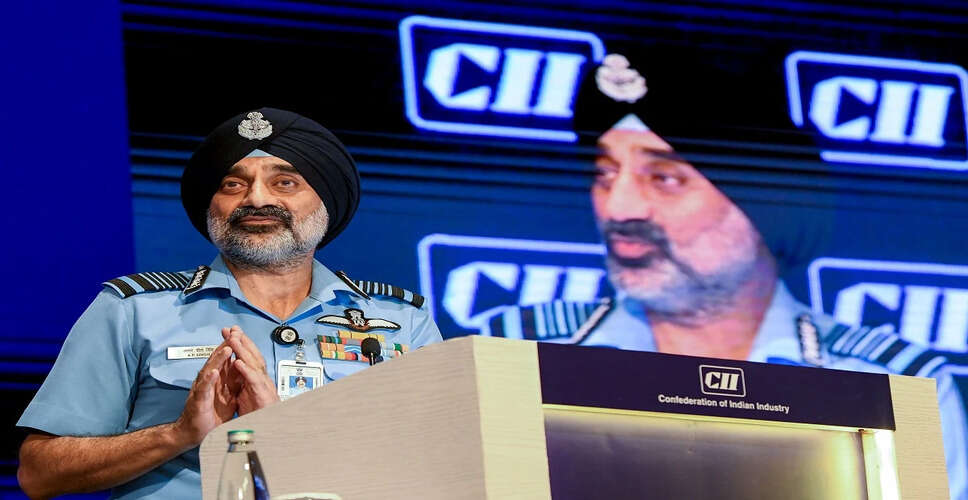
The trend of Indian youth moving abroad and settling in foreign countries has become increasingly common. This serious issue has drawn various comments over time, and recently, Air Chief Marshal Amar Preet Singh has expressed his concerns regarding it.
Challenges in Retaining Top Talent
During a speech at the CII Annual Business Summit 2025, Air Chief Marshal Amar Preet Singh raised alarms about India's inability to retain top talent in defense research and development. He noted that the country struggles to attract the best candidates as many skilled professionals are continuously leaving for opportunities abroad. He emphasized the need for better incentives, competitive salaries, and a robust working environment to strengthen India's defense innovation ecosystem.
Need for a Supportive Environment
"We require sufficient incentives to drive technological advancements," he stated, adding that it is essential to create an environment that attracts the best talent. He pointed out that the current situation is leading to a brain drain, with professionals opting to work in other countries. To retain them, he suggested offering attractive salaries, incentives, and recognition.
Reflections on Operation Sindoor
His comments followed the successful Operation Sindoor, which he described as a 'national victory' showcasing professional coordination among India's security agencies and armed forces. He highlighted the operation's role in emphasizing the urgent need for indigenous design and rapid manufacturing capabilities.
Preparing for the Future
Air Chief Marshal Singh stressed the importance of readiness for future challenges. He acknowledged that while he anticipates increased production from Indian industries and DRDO in the next decade, immediate action is necessary. He urged for expedited efforts on 'Make in India' initiatives to achieve readiness in the present.
Caution Against Overpromising Delivery Timelines
He also warned the industry against making exaggerated promises regarding delivery timelines. "Timelines are a significant issue. Once a deadline is set, it seems no project is completed on time," he remarked, indirectly referencing delays in the delivery of Tejas MK1A by Hindustan Aeronautics Limited.
Call for Structural Changes
"We cannot just talk about production in India; we must also initiate design and development within the country," he stated. He emphasized the need to maintain trust between the forces and the industry, highlighting the importance of ongoing communication.
Encouraging Private Sector Participation
Singh welcomed the opening of the Advanced Medium Combat Aircraft (AMCA) program to private sector participation, calling it a 'significant step' that reflects the government's growing confidence in private industry. He referenced the Sikh tradition of Dasvandh, advocating for increased investment in research and development across all sectors: "10% of our earnings should go back to society, and similarly, a portion should be allocated for research and development and national defense."