
Concerns Over Potential Arms Transfers from China to Iran Amid US-China Talks

US Intelligence Reports on Arms Discussions
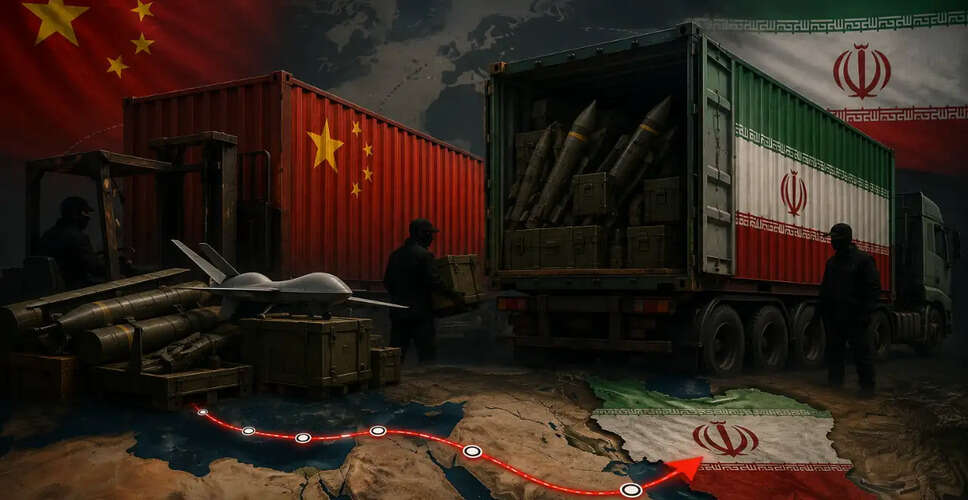
According to US officials, intelligence suggests that discussions have taken place between Chinese firms and Iranian representatives regarding covert arms transfers to Iran. These transactions may involve routing the weapons through intermediary nations to obscure their origin, as reported by a prominent news outlet. While it remains uncertain if any arms have been delivered or the extent of approval from Chinese authorities, officials suspect that such discussions likely occurred with Beijing's awareness.
This information emerges as US President Donald Trump is in Beijing for significant discussions with Chinese President Xi Jinping. The topic is anticipated to increase pressure on Trump to address China's backing of Iran during talks centered on wider geopolitical issues. Prior to his arrival, Trump expressed his intention to engage in an extensive dialogue with Xi regarding the Middle East, noting that the Chinese leader had been “relatively good” concerning Iran.
US intelligence has previously indicated that China might have supplied shoulder-fired missiles, known as MANPADS, to Iran, which are designed to target low-flying aircraft. Additionally, there are indications that China has contemplated further military shipments.
American officials have identified at least one potential transit nation for these covert transfers in Africa, although it is still unclear if any shipments have reached their intended destinations. To date, there have been no reports of Chinese-made weapons being utilized against US or Israeli forces amid the ongoing conflict with Iran that began in late February.
Furthermore, US officials have accused China of providing Iran with intelligence support, satellite tracking data, and dual-use technology essential for drone and missile development. Beijing has also supplied similar dual-use components to Russia during the ongoing conflict in Ukraine.
Previously, Trump mentioned that he had written to Xi urging him to refrain from allowing arms transfers to Iran, to which Xi reportedly replied that China was “not doing that.” Notably, China is Iran’s largest oil purchaser, acquiring approximately 80 percent of Tehran’s crude oil exports, often at reduced prices. This relationship has gained significance as instability in the Strait of Hormuz continues to threaten global shipping routes.