
Concerns Emerge Over Emergency Healthcare After Mandi Acid Attack
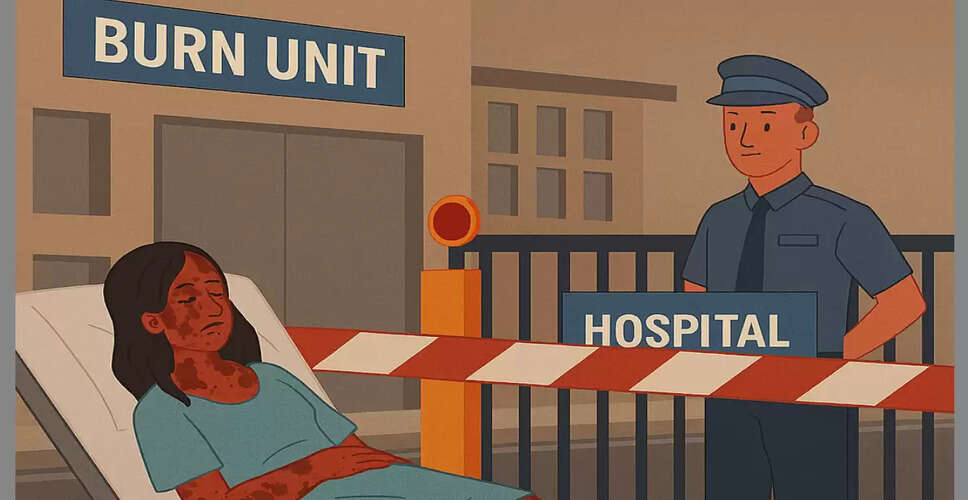
Incident Sparks Alarm in Himachal Pradesh
Munish Sood
Mandi
The recent acid attack on a woman in Mandi district has raised significant alarm throughout Himachal Pradesh. This incident has not only highlighted the brutality of the crime but also the subsequent medical referral process, prompting calls for a comprehensive evaluation of the state's emergency healthcare services.
Victim's Journey Through Healthcare Facilities
The victim's family reported that she was first taken to Mandi Zonal Hospital for initial treatment. Following this, they claim she was referred to AIIMS Bilaspur for specialized care.
However, upon arrival at AIIMS Bilaspur, the family was directed to PGI Chandigarh, citing the need for advanced burn-care facilities.
As of now, AIIMS Bilaspur has not provided an official statement regarding the referral process. A request for comments has been sent to both AIIMS Bilaspur and Nerchowk Medical College, and their responses will be included once received.
Public Concerns About Emergency Readiness
The series of referrals has raised questions among locals about the capability of regional hospitals to manage severe burn cases.
A retired senior physician, who wished to remain anonymous, remarked that this situation reveals significant gaps in emergency preparedness in the area.
Local resident Pandit Ravi Kant voiced the public's concerns, stating, “People are questioning whether the infrastructure highlighted in political speeches can genuinely save lives in emergencies.”
These sentiments reflect public opinion and have not been independently verified.
Lack of Functional Burn Units Confirmed
Initial reports from hospital officials indicate that neither Mandi Zonal Hospital nor Nerchowk Medical College has a fully operational burn unit. Both facilities serve large populations from Mandi, Kullu, and Lahaul–Spiti districts.
Dr. Dinesh Thakur, Medical Superintendent of Mandi Zonal Hospital, confirmed that a burn unit existed around 2013–14 but was rendered non-operational due to staffing issues. The unit was subsequently merged into the general surgery ward, and a specialized burn van is no longer in service.
A similar situation is believed to exist at Nerchowk Medical College, although an official response is pending.
Previous Sanctions, Current Status Unclear
Documents reviewed indicate that a 10-bed burn unit and a burn van were approved for Nerchowk Medical College under a central scheme at its inception. However, the current operational status of these facilities remains uncertain.
Formal requests for clarification have been sent to the administrative office of Nerchowk Medical College and the state Directorate of Health Services, with responses awaited.
Urgent Questions for Health Authorities
This issue has gained further attention as Union Health Minister J.P. Nadda, who is serving his second term, represents Himachal Pradesh.
Citizens and civil society groups are advocating for the establishment of robust burn and trauma care facilities in the state. Requests for an official statement from the Union Health Ministry regarding:
- The current status of burn units in Himachal
- Plans for operationalizing sanctioned facilities
- Emergency response protocols for burn victims in the state
Responses from the ministry are still pending.
Need for Clear Emergency Care Protocols
Healthcare professionals have emphasized that while referral decisions depend on the severity of injuries and available treatments, clear communication and established protocols are vital to avoid delays in critical situations.
Experts have highlighted the necessity for:
- Dedicated burn units in district and regional hospitals
- Recruitment of specialized staff
- Functional emergency facilities at AIIMS Bilaspur and Nerchowk
- Transparent referral guidelines to prevent confusion during emergencies
Call for Comprehensive Review
The tragic incident in Mandi has intensified calls for a thorough review of the emergency medical infrastructure in Himachal Pradesh.
While political parties often emphasize infrastructural achievements, residents argue that the focus should shift to operational readiness.
This report aims to shed light on the concerns raised by citizens, healthcare professionals, and local organizations.
All allegations have been attributed to their sources, and official responses will be included as they are received.
The tragedy highlights an urgent need for accountability, clarity, and fully functional emergency services to ensure that critically injured patients do not face delays in receiving life-saving care.