
Concerns Arise Over US-Iran Peace Efforts Amid Drone Incidents

US-Iran Relations Under Scrutiny
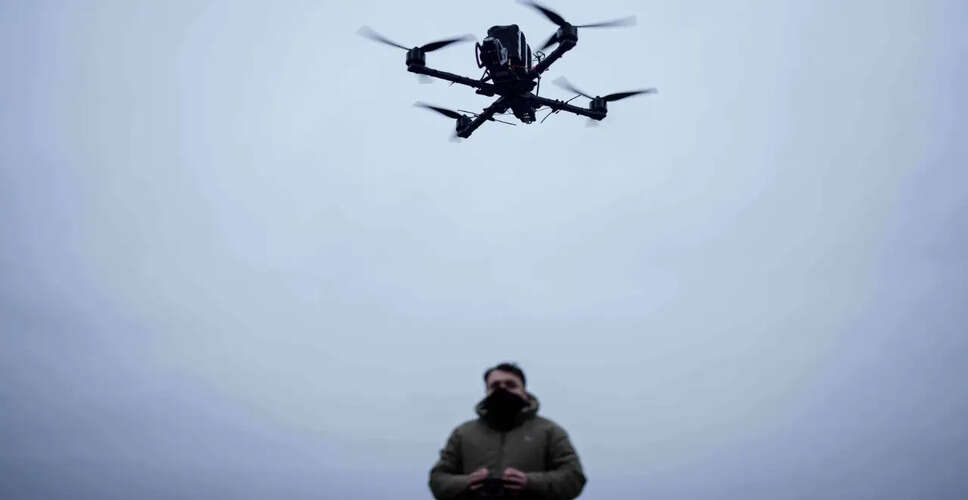
The delicate peace negotiations between the United States and Iran are facing new challenges after reports emerged of Iranian drones targeting commercial shipping in the Strait of Hormuz. This incident occurred shortly after both nations reached an agreement aimed at resolving over three months of conflict. As reported by The Jerusalem Post, multiple drones were launched towards vessels navigating this crucial waterway, although they were intercepted before posing any threat to commercial or US military operations in the area. A US official, as cited by NBC News, indicated that the drones were deployed by Iran's Islamic Revolutionary Guard Corps (IRGC). The official also noted that American forces are maintaining close coordination with international shipping companies as maritime activities gradually resume in the Strait following the recent ceasefire agreement.
Raising Doubts About Ceasefire Viability
Hormuz Incident Raises Questions Over Ceasefire Stability
The drone launches have sparked renewed worries about the ability to manage military tensions in the Gulf, despite ongoing diplomatic efforts. The Strait of Hormuz is a vital maritime route, responsible for a significant share of global oil and liquefied natural gas exports. Any disruption in this area draws immediate global attention due to its potential repercussions on energy markets and international trade.
Moreover, CNN has reported that a recent US intelligence evaluation revealed Iran has significantly enhanced its capability to disrupt maritime traffic through the Strait of Hormuz if it decides to do so in the future. Sources familiar with the assessment indicated that Iranian military strategists have gained a better understanding of how attacks on regional energy infrastructure and key maritime routes can exert economic pressure beyond the battlefield. This evaluation cautioned that Iran's influence over global shipping could remain a critical factor, even if the broader peace agreement progresses.
Trump's Commitment to Transparency
Trump Promises To Release Full Agreement
The drone incidents coincide with US President Donald Trump's ongoing defense of the agreement reached with Tehran. At the G7 Summit in France, Trump expressed his intention to publicly disclose the full text of the accord in the near future, once a formal setting is established. "I'd like to get a formal setting first before we do that, but I have no problem with that. It's a great document," Trump stated. He also reiterated the primary goal of the agreement, asserting that "Iran will never have a nuclear weapon." Although both parties electronically signed the memorandum on Sunday, the complete text has yet to be released. Diplomats from the US, Iran, and mediating nations are expected to reconvene ahead of the formal signing ceremony scheduled for later this week.