
Common Mistakes in Using Glucometers That Can Lead to Incorrect Readings
Understanding Glucometer Usage
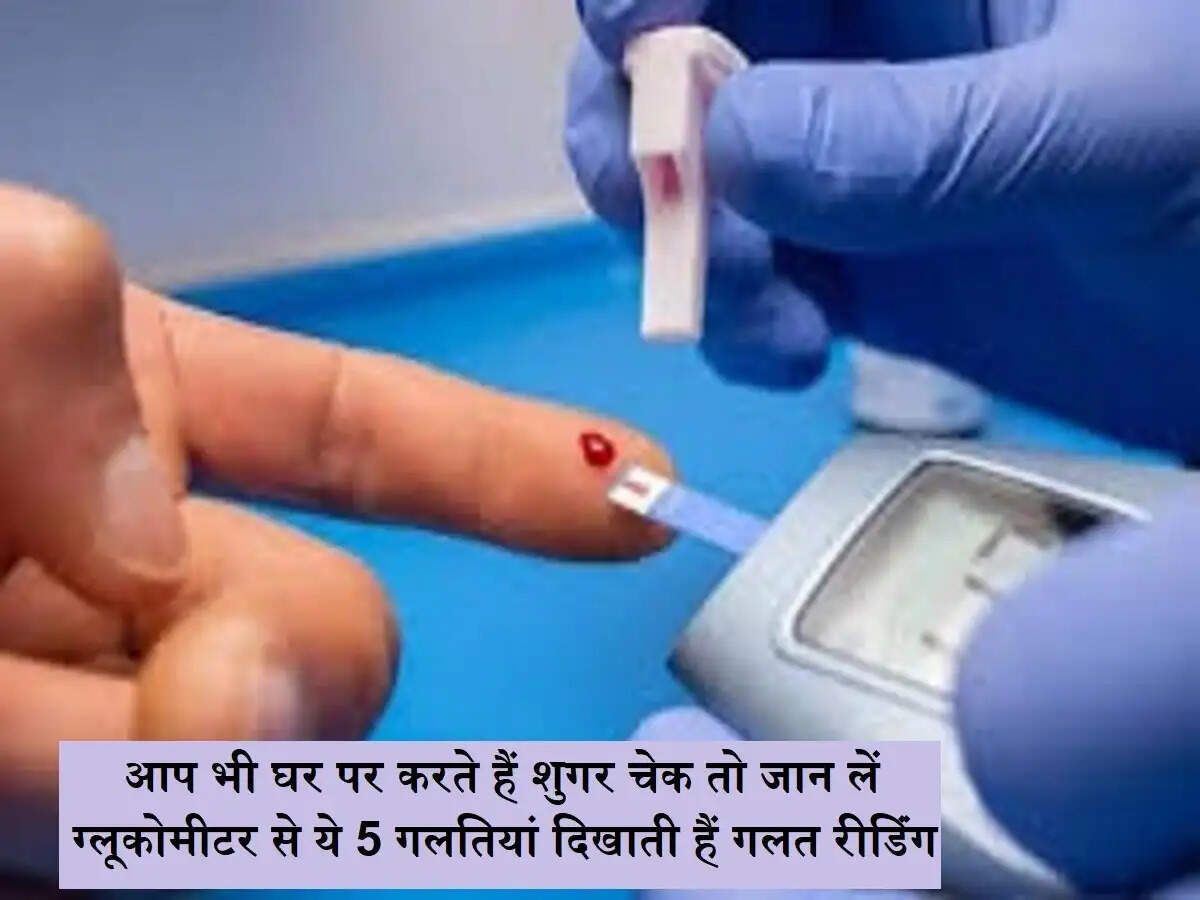
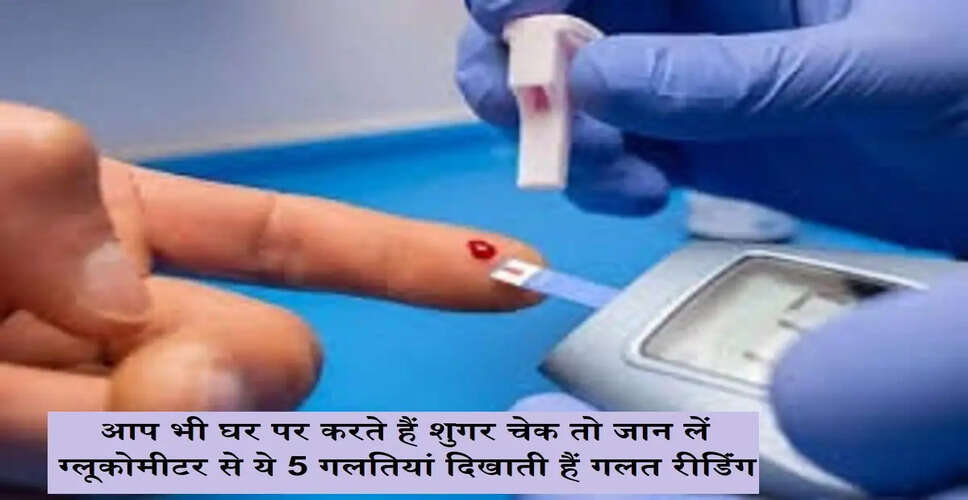
For individuals managing diabetes, checking blood sugar levels at home has become increasingly common and convenient. While glucometers have simplified this process, improper usage can lead to inaccurate readings. Such inaccuracies can result in incorrect medication dosages or dietary choices, ultimately impacting health.
Diabetes patients often make several mistakes that prevent them from accurately determining their sugar levels. Here are five common errors frequently made when using a glucometer:
1. Not Properly Cleaning Hands:
* Error: One of the most significant mistakes is failing to thoroughly clean hands before drawing blood or testing before the alcohol swab has dried. Residual food, sugar, or dirt on hands can skew results.
* Correct Method: Wash hands thoroughly with soap and water before testing. If using an alcohol swab, ensure it dries completely before proceeding.
2. Using Expired Strips:
* Error: Many users neglect to check the expiration date on glucometer strips, which can lead to inaccurate and unreliable readings.
* Correct Method: Always use new, unexpired strips. Check the expiration date before purchasing.
3. Insufficient Blood Sample:
* Error: Sometimes, users do not obtain enough blood or assume that a small amount will suffice. Insufficient blood can prevent the machine from reading accurately.
* Correct Method: Before pricking, gently squeeze the finger to ensure a good drop of blood forms, covering the entire sensing area of the strip.
4. Not Cleaning the Device or Storing Incorrectly:
* Error: Failing to keep the glucometer free from dust and dirt, or storing it in extreme temperatures can affect its performance.
* Correct Method: Store the glucometer in a clean, dry place at room temperature, away from moisture and dust. Wipe it down with a clean cloth after use.
5. Using the First Drop of Blood:
* Error: Applying the first drop of blood directly to the strip can introduce tissue fluids that may alter the reading.
* Correct Method: Wipe away the first drop of blood and use the second drop for testing.
Importance of Accurate Readings:
Incorrect readings from your glucometer can lead to improper medication dosages or dietary changes that may not be beneficial for your health. Accurate readings are essential for effective treatment and better health management. By correcting these mistakes, you can manage your diabetes more effectively.