
Commercial LPG Prices Surge Amid Global Energy Crisis
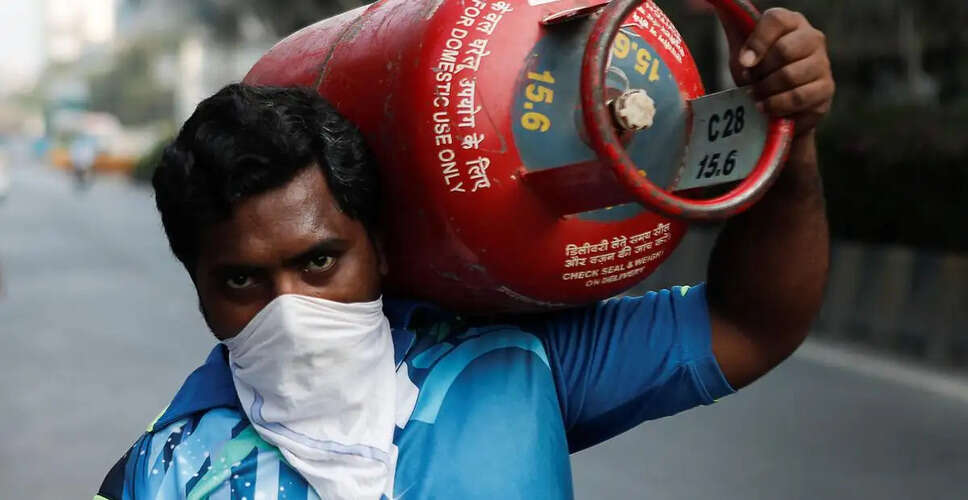
Significant Increase in LPG Prices
The cost of commercial liquefied petroleum gas (LPG) saw a rise of Rs 195.5 on Wednesday, driven by escalating global energy prices linked to ongoing conflicts in West Asia.
In the capital city of Delhi, the price for a 19-kg commercial LPG cylinder now stands at Rs 2,078.5.
This marks the second price hike this year, following an increase of Rs 114.5 per 19-kg cylinder on March 1.
Meanwhile, the price of domestic cooking LPG, which was last raised by Rs 60 for a 14.2-kg cylinder on March 7, remains stable at Rs 913 in Delhi.
State-owned companies, including Indian Oil Corporation, Bharat Petroleum, and Hindustan Petroleum, adjust the prices of Aviation Turbine Fuel and LPG on the first day of each month, taking into account international market trends and currency exchange rates.
Since the conflict in West Asia erupted on February 28, energy supplies to India have faced disruptions. Iran has effectively blocked the Strait of Hormuz, a crucial route for approximately 20% of the world's petroleum liquids, impacting the flow of commercial ships.
This situation has led to a decline in LPG availability in India, which relies on imports for about 60% of its LPG needs, primarily sourced from Gulf nations.
Global oil prices have surged significantly due to these disruptions. On Wednesday, the benchmark Brent crude price dropped to $105 per barrel, down from around $115 the previous day, but still higher than the $78 per barrel recorded on February 27, just before the conflict began.
The Union government is encouraging consumers to transition to piped natural gas where available, aiming to alleviate some of the pressure on LPG supplies. Additionally, it has proposed increased commercial LPG allocations to states that enhance the piped natural gas network.
As an emergency measure, the Union government recently allocated Public Distribution System kerosene to states and Union Territories for household use, intended to last for 60 days, to help mitigate the strain on LPG supplies. This kerosene can be utilized for cooking and lighting.
This allocation affects 21 states and Union Territories that had previously been designated as free from Public Distribution System Superior Kerosene Oil.
The West Asia conflict escalated after Israel and the United States launched an attack on Iran on February 28, citing Tehran's actions as a direct threat to Israel's existence. The U.S. has historically supported Israel's security interests. In retaliation, Iran has targeted Israeli and U.S. military installations in the region, as well as major cities in Gulf nations.
Israel has expressed concerns that Iran is nearing the capability to develop a nuclear weapon, which could disrupt the regional security landscape. Iran, on the other hand, insists that its nuclear program is intended for peaceful purposes.