
Coconut Cultivation in Assam Faces Threat from Monkeys and Squirrels
Crisis in Coconut Farming
AMINGAON, Feb 27: The Kamrupa coconut variety, renowned across the nation, is currently experiencing a significant productivity crisis due to increasing damage from monkeys and squirrels in Kamrup district. Farmers are expressing concerns that this dual threat is leading to a drastic reduction in coconut yields, putting at risk the livelihoods tied to this vital horticultural crop.
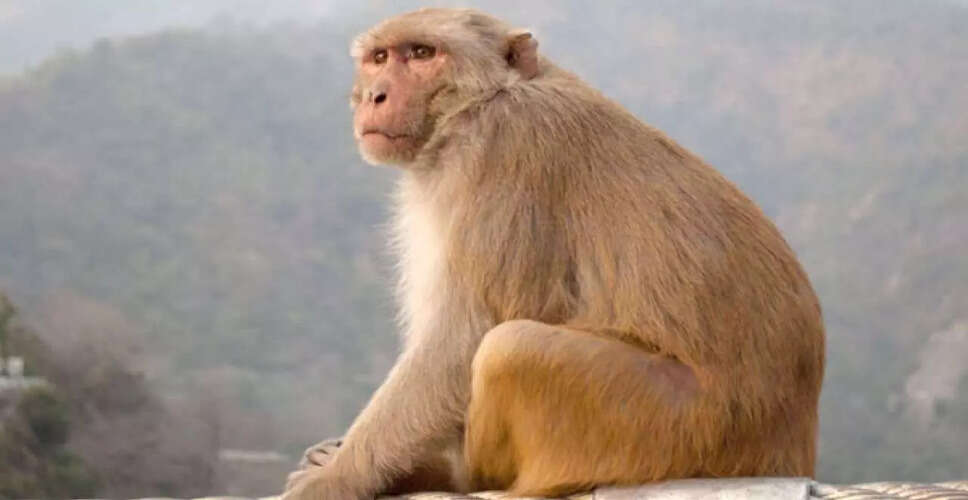
Farmers have reported that the growing populations of monkeys and squirrels over recent years have had a detrimental impact on coconut production. Many have faced near-total losses, prompting some to abandon or shift away from coconut farming altogether.
Prafulla Kalita from Hazo, known as the “Friend of the Coconut Tree” and a certified master trainer by the Coconut Development Board, shared that the increase in monkey numbers has devastated his coconut nursery, forcing its closure. “I used to earn significant profits from coconut farming annually, but now I am facing severe challenges,” Kalita lamented.
Previously, Kalita supplied coconuts to local markets, temples, and IIT Guwahati, and even sourced coconuts from various regions of the State for distribution to Bihar. “These issues have severely impacted my business. I have now transitioned to floriculture,” he explained, noting that the crisis began around 2019.
Another farmer, Amal Bharali, mentioned that squirrel attacks have escalated since 2021. These rodents damage tender coconuts, leaving them riddled with holes. “From 25 coconut trees, I used to earn over Rs 2 lakh each year by selling each nut for Rs 100. However, for the past four years, I have seen no income, as squirrels ruin the nuts before they can be harvested,” he stated. The continuous losses have discouraged many farmers from pursuing coconut cultivation.
Bharali linked the surge in squirrel populations to the decline of natural predators like hawks and eagles, which were once prevalent in the area.
Environmental expert Laxman Teron noted that monkeys and squirrels are increasingly moving from their natural forest habitats into the plains. He explained that the abundance of food in the plains has led these frugivores to settle there permanently. “They now prefer the food available in the plains, despite sufficient resources in the forests. With food being plentiful here, they no longer feel the need to return,” he remarked, adding that he and his students are researching this trend.
Dr. Sonmoina Bhuyan, Senior Scientist and Head of Krishi Vigyan Kendra, Kamrup, acknowledged the escalating issue and pointed out that the lack of effective control measures has worsened the situation. He stressed the importance of proper plantation management, stating, “A coconut plant needs about 20 litres of water daily. Since its roots do not penetrate deeply, consistent irrigation during dry spells is essential.”
Dr. Bhuyan recommended that farmers replace trees older than 50 years, refrain from dumping fresh cow dung near the base— as it attracts harmful insects like the rhinoceros beetle— and maintain a spacing of over seven metres between trees to hinder squirrels from jumping easily. He affirmed that the Kamrupa variety is well-suited to Assam’s agro-climatic conditions and that scientific management could assist farmers in overcoming this crisis.
An official from the Coconut Development Board’s Regional Office in Guwahati mentioned that the Orange-bellied Himalayan Squirrel is a protected species classified as “Least Concern” in global conservation assessments. The official noted that crop damage appears to be localized, and only preventive, non-lethal measures such as timely harvesting, tree banding, protective netting, and plantation sanitation are advised.
According to data from 2021–22, Assam has 20,723 hectares dedicated to coconut cultivation, yielding 1,67,409 metric tonnes annually. Kamrup contributes 1,421 hectares and 15,821 metric tonnes to the State’s total output.