
Claims of Lord Ram's Existence in Iraq Spark Controversy

Introduction to the Controversy
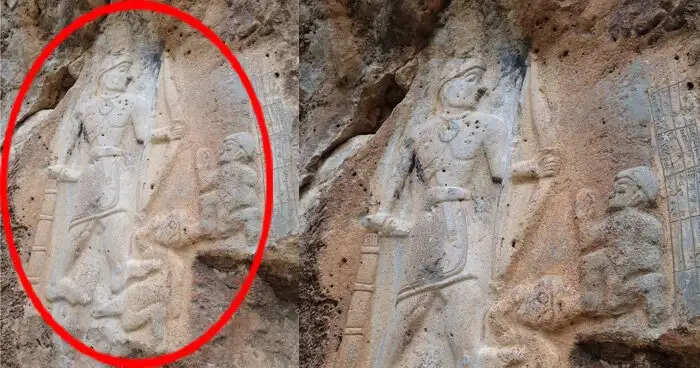
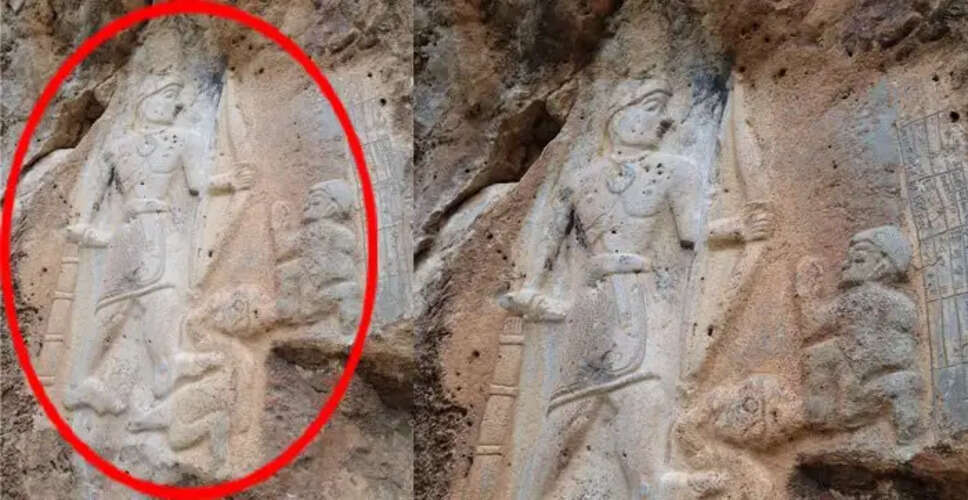
In India, Lord Ram is revered and worshipped, showcasing immense devotion among the populace. Recently, however, a surprising claim has emerged from Iraq regarding the existence of Lord Ram, made by a research institute based in Ayodhya. This assertion has ignited a debate among historians and researchers, with some evidence purportedly found in Iraq that is being contested by experts. Let's delve into the specifics of this intriguing story.
Evidence of Lord Ram's Existence in Iraq
The ongoing debate centers around whether Lord Ram ever existed in Iraq. Both sides are presenting various pieces of evidence to support their claims. Recently, images have surfaced from Iraq, depicting shapes that are being identified as representations of Ram and Hanuman, which has led to the assertion of Lord Ram's presence in the region. The validity of this claim remains uncertain, but it has certainly sparked a new discussion.
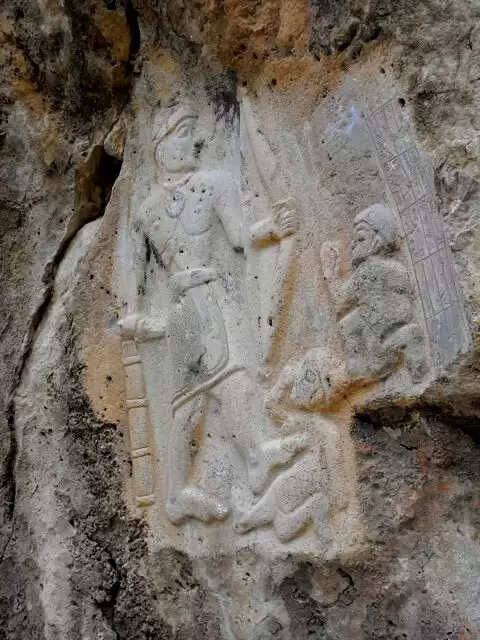
The origin of this debate can be traced back to an Indian delegation that discovered ancient rock carvings in the Darband-e-Belula region of Iraq, dating back to 2000 BC. The Ayodhya research institute asserts that these carvings depict Lord Ram, showing a king with a bow in hand, along with an image believed to represent Hanuman. This has led to claims of evidence supporting Lord Ram's existence in Iraq.
Ayodhya Research Institute's Bold Claim
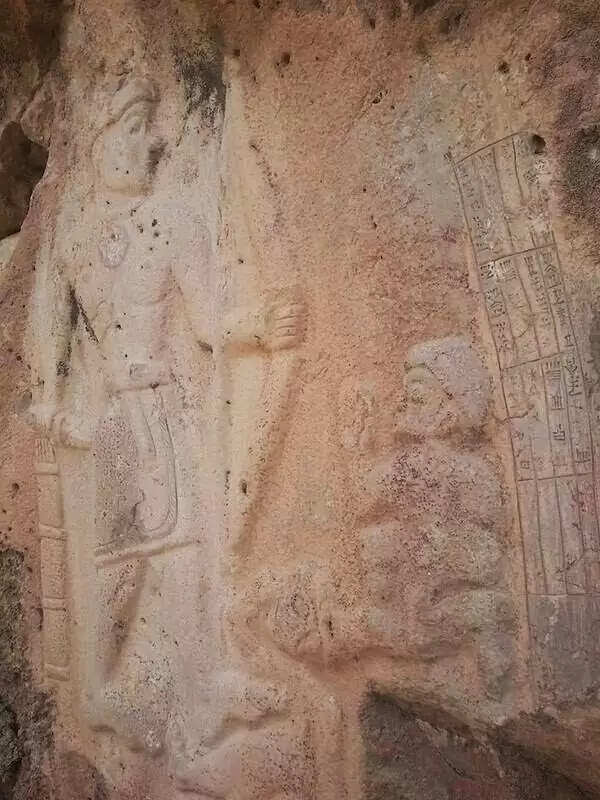
According to Yogendra Pratap Singh, the director of the Ayodhya research institute, the carvings strongly suggest representations of Lord Ram and Hanuman, a claim that cannot be easily dismissed. Following this research, a new debate surrounding Lord Ram has emerged, which historians have largely rejected. Nevertheless, the researchers remain steadfast in their assertions, with Singh stating that they have sought permission from the Iraqi government to conduct further studies.
Historians' Rejection of the Claims
In response to the claims made by the Ayodhya research institute, Iraqi historians have dismissed the notion that the carvings represent Lord Ram, arguing instead that they depict Tarduni, a leader of a local mountain tribe. This disagreement has led to a prolonged debate between the research institute and historians, with both sides striving to gather substantial evidence to support their positions before the discussion can reach a conclusion.