
CJI Surya Kant Advocates for a More Accessible Supreme Court for All Citizens

Supreme Court as a 'People's Court'
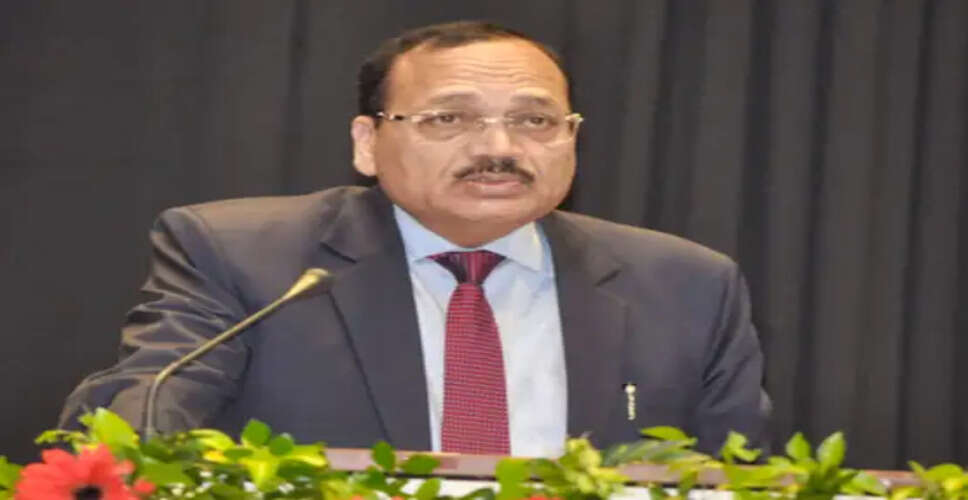
New Delhi: Chief Justice of India Surya Kant emphasized the importance of transforming the Supreme Court into a 'people's court' during a Constitution Day event. He stated that access to the court should not be determined by an individual's status or privilege.
At the event, which was attended by President Droupadi Murmu, CJI Kant questioned whether justice has truly reached everyone or if it has remained a privilege for a select few. He acknowledged that the answer to this question has often been uncomfortable.
Reflecting on the past, he noted that the court was once perceived as a place for the privileged, where urgent hearings could depend on who requested them rather than the necessity of the case.
For those with resources, the Supreme Court sometimes served as a first resort rather than a last one, while many in dire need of justice viewed it as an inaccessible institution.
However, CJI Kant pointed out that the court has evolved over the past four decades, beginning to accept letters and postcards as petitions for public causes. He recalled a case where a single letter advocating for bonded laborers led to their liberation.
Despite some misuse of public interest jurisdiction, this approach has shown that the court's strength lies in its accessibility. He stressed that the era of privilege is over, and even the most distinguished individuals must now adhere to the same procedures as ordinary citizens.
CJI Kant highlighted the efforts made by judges to ensure that the court serves the public effectively. He stated that when access is determined by a systematic approach rather than privilege, the court becomes genuinely accessible.
He noted that maintaining this openness is an ongoing effort, with recent changes allowing for automatic listing of new cases and prioritizing urgent matters within two working days.
The court has also identified vulnerable groups, such as individuals with disabilities and low-income families, ensuring their cases are prioritized. This approach aims to make the court more accessible to those who face significant challenges in seeking justice.
Technological advancements have further enhanced accessibility, allowing remote hearings via video conferencing and the use of AI for translating judgments into various languages.
CJI Kant introduced the 'One Case, One Data' initiative, which tracks cases from local courts to the Supreme Court, along with an AI assistant to guide litigants through the legal process.
He reiterated that access to justice begins long before a case reaches the court, emphasizing the commitment to ensuring that no citizen encounters closed doors when seeking help.
While acknowledging that much work remains to be done, he expressed hope that the court will continue to belong to every citizen in the future.
Justice Vikram Nath welcomed attendees, emphasizing the judiciary's duty to uphold the Constitution as a source of strength for all citizens. Attorney General R Venkataramani and other legal leaders also addressed the gathering.