
Chirang District Faces Surge in Malaria Cases Amid Healthcare Shortages
Malaria Outbreak in Chirang
Chirang, June 13: The Chirang district is currently experiencing a concerning increase in malaria infections, with 291 confirmed cases reported in the last three months. This alarming trend has raised concerns among both health officials and the local community, particularly as the district struggles with a significant shortage of healthcare workers.
Details from Health Officials
In a press briefing, District Malaria Officer Dr. Digendra Ramchiary revealed that out of the 291 cases, 249 are attributed to Plasmodium vivax (PV), while 42 cases involve the more severe Plasmodium falciparum. He noted, “This year has seen a rise in malaria cases in Chirang compared to the previous year, particularly affecting the Kokrajhar-Chirang border region.”
Challenges in Healthcare Services
The healthcare system, especially at the Runikhata State Dispensary, is severely impacted by a lack of personnel. The position of lab technician has remained vacant for months following the previous technician's passing, leaving a critical gap. Nevertheless, field staff have been conducting malaria tests after completing their outdoor duties.
A pharmacist at the dispensary mentioned, “Our field staff is assisting by performing tests after their rounds. We have alerted the government about the urgent need for a lab technician, and the situation is currently under review.”
He also pointed out that the Runikhata State Dispensary functions solely as an out-patient department (OPD) without in-patient services. “Doctors, nurses, and health workers are available during OPD hours to treat patients,” he added.
Government Initiatives and Community Engagement
Dr. Ramchiary emphasized that despite the challenges, efforts are being made to manage the outbreak. “We have distributed 28,000 insecticide-treated bed nets, provided by the Bongaigaon Refinery, through ASHA workers, health staff, and village leaders,” he stated. “Fogging has been initiated in certain areas, although it is not the preferred method. We are also planning indoor residual spraying (IRS) and have received assistance from the state government.”
In addition to medical interventions, the administration is prioritizing awareness campaigns through Information, Education and Communication (IEC) and Behaviour Change Communication (BCC) to help curb the spread of malaria.
Community Concerns Over Healthcare Access
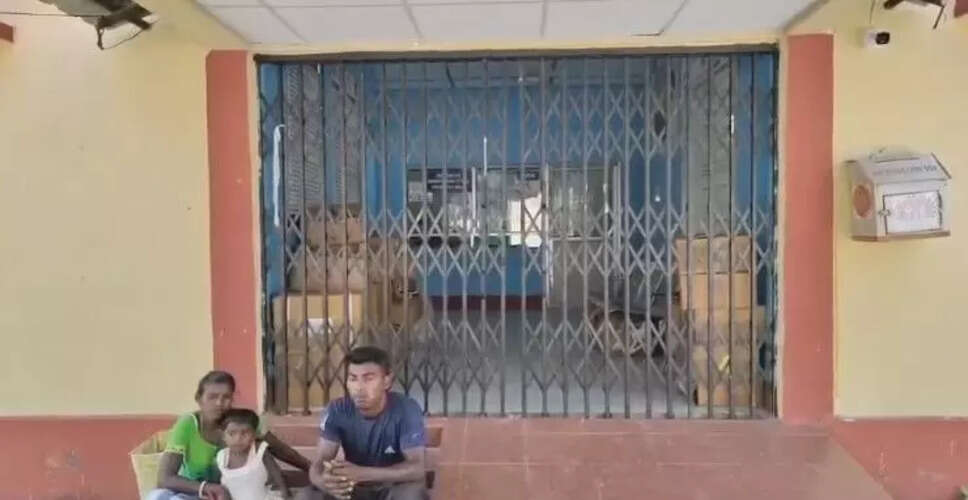
Despite official assurances, many locals have voiced their frustrations regarding access to healthcare. One resident, who brought his sick wife and daughter to the dispensary, reported a lack of medical attention.
He recounted, “We arrived at noon and waited, but no one was available to assist us. We had to leave without receiving treatment.”
The rising malaria cases, combined with infrastructure and staffing challenges, have put immense pressure on Chirang’s healthcare system, necessitating urgent measures to avert further deterioration.