
Chinese Tanker Navigates Strait of Hormuz Amid US Naval Blockade
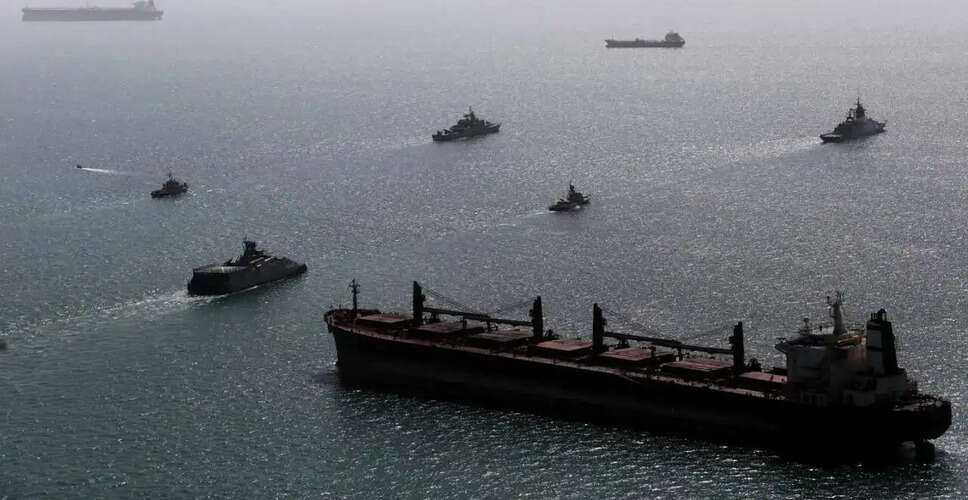

Chinese-Owned Tanker Crosses Strategic Waterway
A tanker associated with China, which is under US sanctions, has reportedly traversed the war-torn Strait of Hormuz despite a US naval blockade. The vessel, named Rich Starry, initially attempted to navigate the strait on Monday but turned back near Iran's Qeshm Island. Later that evening, it made a successful attempt to pass through the strait. According to Bloomberg and data from LSEG, MarineTraffic, and Kpler, the Malawi-flagged tanker is owned by a Chinese company and is transporting methanol, with its destination listed as China, as reported by CNN.
Rich Starry is owned by Full Star Shipping Ltd, which has ties to Shanghai Xuanrun Shipping Co Ltd. This tanker was sanctioned by the US in 2023 for allegedly assisting Iran in circumventing energy sanctions. Previously known as Full Star, it operated under the Hong Kong flag until April 2023, according to MarineTraffic data cited by CNN.
The origins of the tanker remain unclear. Currently, a US blockade is in effect at Iranian ports. On Monday, US President Donald Trump announced that the military had initiated a blockade of Iranian ports to compel Tehran to open the Strait of Hormuz and agree to a resolution to the ongoing conflict, which has persisted for over six weeks. In response, Iran has issued threats against all ports in the Persian Gulf and the Gulf of Oman, targeting US-aligned nations.
This US blockade, coupled with Iran's threats, has created a precarious situation that poses significant risks to the global economy and raises concerns about the potential collapse of the ceasefire, leading to a resurgence of hostilities. Efforts to reach a permanent resolution to the conflict, which began on February 28 with US and Israeli strikes on Iran, failed to yield an agreement over the past weekend. Nevertheless, there are indications that both the US and Iran are contemplating a second round of negotiations.