
Chinese Researcher Arrested for Smuggling Biological Materials into the US
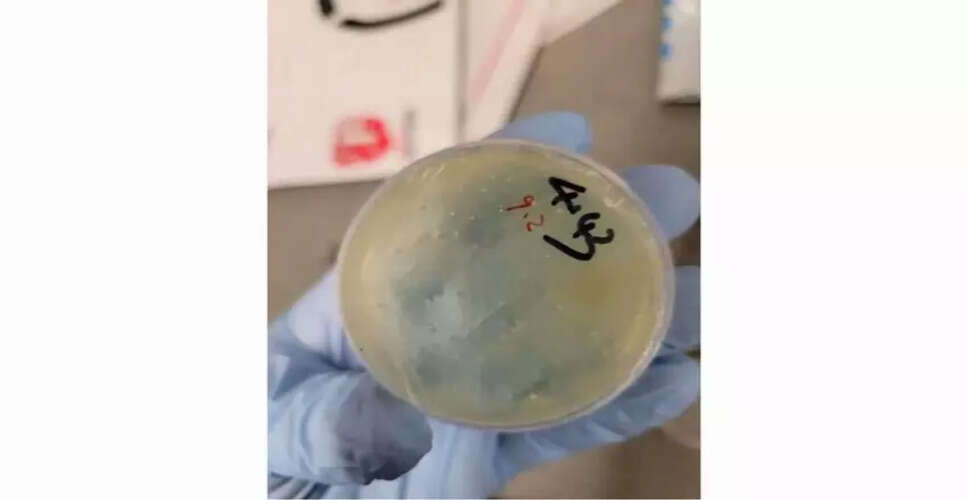
Arrest of Chinese Researcher in Biological Smuggling Case
On June 10, in Michigan, a Chinese researcher has been apprehended and charged with illegally importing biological materials into the United States, specifically for a laboratory at the University of Michigan. This incident has raised alarms regarding a potential agroterrorism investigation involving foreign nationals.
Chengxuan Han, who hails from China, faces accusations of smuggling roundworms into the US and providing false information, as stated by the United States Attorney's Office for the Eastern District.
Currently, Han is pursuing her PhD at the College of Life Science and Technology at Huazhong University of Science and Technology in Wuhan.
According to the federal complaint, Han dispatched four packages from China to individuals connected with the University of Michigan laboratory between 2024 and 2025.
These packages were found to contain hidden biological materials. Authorities reported that Han arrived at Detroit Metropolitan Airport on June 8, 2025, holding a J1 visa.
During a customs check, Han allegedly misrepresented the contents of her packages and denied sending any biological materials to the US.
Customs and Border Protection (CBP) officials discovered that Han's electronic devices had been wiped clean just three days prior to her arrival.
Following the customs inspection, Han was questioned by FBI agents, during which she confessed to sending the packages and confirmed they contained biological materials related to roundworms.
She also admitted to providing false information to CBP officers during the inspection.
Han is set to appear in federal court in Detroit on Monday afternoon.
"The alleged smuggling of biological materials by this individual from a science and technology university in Wuhan, China, intended for use at a University of Michigan laboratory, is part of a concerning trend that jeopardizes our security," stated US Attorney Jerome F. Gorgon, Jr.
"American taxpayers should not be funding a smuggling operation based in the PRC at one of our vital public institutions," he added.
The FBI, CBP, and US Immigration and Customs Enforcement's Homeland Security Investigations (ICE HSI) are collaboratively investigating this case.
Officials have indicated that this incident is part of a larger investigation into agroterrorism-related smuggling activities by Chinese researchers at American institutions.
In a separate but related case, two Chinese nationals were previously charged with smuggling Fusarium graminearum, a biological pathogen viewed as a potential agroterrorism threat.
This fungus is known to cause head blight in cereal crops, leading to significant agricultural losses, and it produces toxins harmful to both human and animal health.
According to an FBI criminal complaint, 34-year-old Zunyong Liu brought the pathogen into the US in July 2024 while visiting his girlfriend, 33-year-old Yunqing Jian.
Liu later confessed to transporting the fungus for research at the same University of Michigan laboratory where Jian was employed.
Federal authorities uncovered electronic communications between the two that confirmed their collaboration, resulting in charges of conspiracy, smuggling, false statements, and visa fraud.
Investigators also found that Jian had received funding from the Chinese government for research on the pathogen, and her devices contained evidence linking her to the Chinese Communist Party.
Cheyvoryea Gibson, Special Agent in Charge of the FBI Detroit Field Office, highlighted the gravity of the situation, stating that the actions of the pair posed "an imminent threat to public safety."
As worries grow regarding the implications of biological smuggling, US authorities are continuing their investigations into potential threats to national security, agriculture, and public health.