
Chinese Container Ships Make Sudden U-Turn Near Strait of Hormuz Amid Rising Tensions
Unexpected Maneuvers by Chinese Vessels
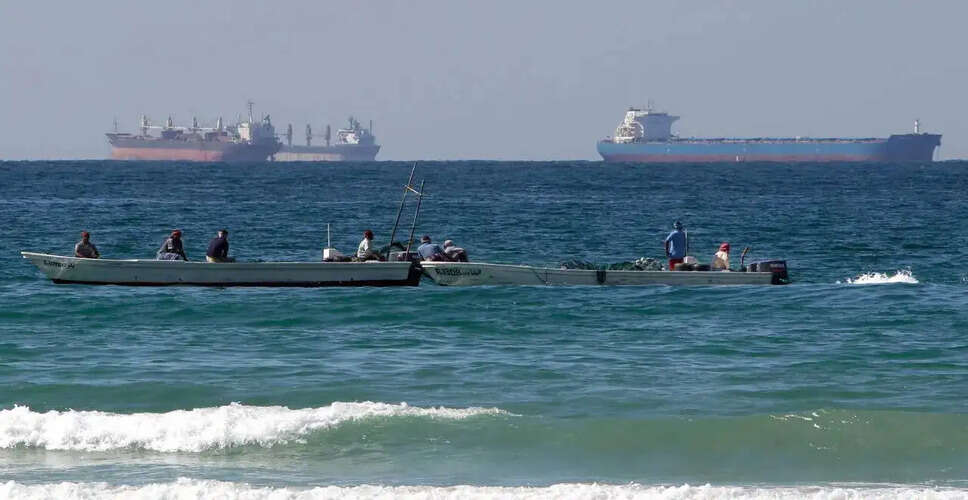
On Friday, two significant container ships associated with China executed an abrupt U-turn close to the Strait of Hormuz. Tracking data revealed that the CSCL Indian Ocean and CSCL Arctic Ocean, both affiliated with COSCO Shipping, a state-owned enterprise in China, attempted to leave the Gulf early in the morning but reversed their course near Iranian waters. This decision came despite Iran's recent claims that vessels from 'friendly nations' would be granted safe passage. Just a day prior, Iran's Foreign Minister Abbas Araghchi had stated that ships from China, Russia, India, Iraq, and Pakistan would be allowed to transit the strait.
Data indicates that the ships approached the narrow strait around 0350 GMT but turned back near the islands of Larak and Qeshm. These vessels had been stuck in the area for several weeks, marking the first known attempt by a major global shipping operator to exit since the onset of the conflict. A Bloomberg report noted that the ships had previously altered their tracking signals to reflect Chinese ownership, a strategy sometimes employed to evade confrontation.
The Strait of Hormuz, which typically facilitates about 20% of the world's oil and gas shipments, has come under stricter Iranian control as tensions rise. Iran seems to be managing maritime traffic through a combination of military pressure and selective permissions. Reports indicate that Iranian Revolutionary Guard forces have turned back several vessels while warning others attempting to cross.
Emergence of a 'Toll Booth' System
Iran is increasingly implementing a de facto approval system for vessels wishing to transit the strait. Ships may be required to provide details about their cargo, ownership, and crew before receiving clearance. Some vessels have reportedly paid fees, often in Chinese yuan, to ensure passage, while approved ships are sometimes escorted through routes controlled by Iran.
The ramifications for global shipping have been significant, with traffic through the strait plummeting by as much as 90-95% since early March, leaving only a small fraction of normal vessel movement operational. Approximately 20,000 seafarers are believed to be stranded in the Gulf region, and security risks have escalated. Maritime agencies have reported multiple attacks on commercial vessels, resulting in some crew casualties.
In light of these threats, many ships have begun disabling their tracking systems while navigating the area, reflecting heightened concerns about being targeted.
Impact on Global Energy Markets
The disruptions have created shockwaves in global energy markets, significantly reducing crude oil and liquefied natural gas exports from Gulf producers. However, Iranian oil shipments, particularly to smaller Chinese refineries, seem to have persisted, indicating that Tehran is leveraging its control to maintain crucial export flows. With the US and Iran continuing to exchange proposals through intermediaries, the situation remains precarious, both on land and at sea.