
China's Strategic Position Ahead of Trump-Xi Summit

China's Strengthened Stance
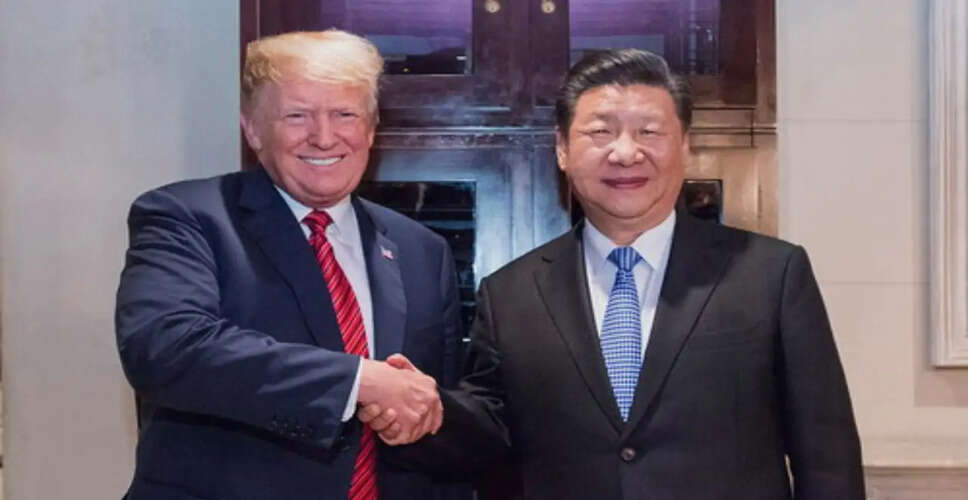
As President Donald Trump prepares to meet with Xi Jinping in Beijing this week, it appears that China's leader is in a more advantageous position than anticipated. Contrary to expectations, Xi seems less eager for a significant agreement with the United States. The summit is set to focus on themes of peace, stability, and economic collaboration, but behind the scenes, Beijing is strategically biding its time. The ongoing conflict in Iran has created a distraction for the United States, which Xi is keen to exploit.
China's Diplomatic Leverage
The turmoil in the Middle East has granted China considerable diplomatic and economic leverage. As a major purchaser of Iranian oil, Beijing holds sway over Tehran, a factor that Washington finds crucial. China has encouraged Iran to engage in negotiations while keeping its options flexible. Economist Li Daokui from Tsinghua University remarked that the situation in Iran is beneficial for China: “The Iran issue actually helps China.” Beijing could potentially offer assistance in reopening the Strait of Hormuz, a vital route for its oil imports, in exchange for concessions from the US on more pressing matters, particularly regarding Taiwan.
Focus on Taiwan
For Xi, diminishing US support for Taiwan is paramount. He is likely to address the issue of arms sales to the island, which Beijing considers part of its territory. The Trump administration has already postponed a significant $13 billion arms deal. Analysts in China believe that the conflict in Iran has revealed the limitations of US military capabilities, emboldening Beijing to take a firmer stance on Taiwan. Wu Xinbo from Fudan University stated, “The conflict with Iran indicates that the US simply cannot sustain a major war with China over Taiwan. That’s very clear.”
Strategic Patience for Self-Sufficiency
China's overarching strategy is not to pursue immediate breakthroughs but to ensure stability and gain time to bolster its own strength. Beijing aims to prolong the current trade truce, reduce US sanctions, and ease export controls on technology. Concurrently, China is intensifying efforts to lessen its reliance on American technology and supply chains. Recent initiatives, such as optimizing AI models to function on Huawei chips, demonstrate progress towards greater self-reliance. Analysts suggest that Xi is encountering the America he both desired and feared: a transactional yet unpredictable United States that presents opportunities for China while also introducing new challenges. For the moment, Beijing seems willing to adopt a long-term approach. With Trump under domestic pressure from rising gas prices and the impending midterm elections, China believes that time is on its side. This week's summit will reveal whether Trump can secure significant concessions or if Xi will simply choose to wait him out.