
China's Response to Trump's H-1B Visa Fee: A New Opportunity for Global Talent
China Invites Global Professionals Amid US Visa Changes
Beijing: On Monday, China refrained from commenting on the recent decision by US President Donald Trump to impose a substantial $100,000 fee for H-1B visas. However, the country simultaneously extended an invitation to international professionals to consider employment opportunities in China, as it prepares to launch a new work visa next month.
The Trump administration's announcement on Friday regarding the one-time fee for H-1B visas was met with silence from Chinese officials. Foreign Ministry spokesperson Guo Jiakun stated during a media briefing, "We have no comment on the US's visa policy."
Despite this, Guo emphasized the importance of global talent mobility, stating, "In a globalized world, the cross-border flow of talents is crucial for technological and economic progress."
He further added, "China welcomes talents from various sectors and fields worldwide to establish their careers in China for both personal and collective advancement."
Notably, Indians represent approximately 71% of all H-1B visa holders, totaling over 280,000, while Chinese nationals account for around 11.7%, or over 46,600 visas. As the US tightens its visa regulations, China recently introduced the K-Visa, which allows qualified professionals from around the globe to explore work opportunities without needing an invitation from a domestic employer.
The K-Visa, effective from October 1, aims to attract young talent in science and technology and simplifies the application process.
According to the state-run Xinhua news agency, this new visa category was approved by the State Council and signed into law by Premier Li Qiang last month as part of revisions to China's entry and exit regulations. China's lack of commentary on the H-1B situation occurs amid ongoing trade negotiations with the US, which also involve discussions on student and work visas.
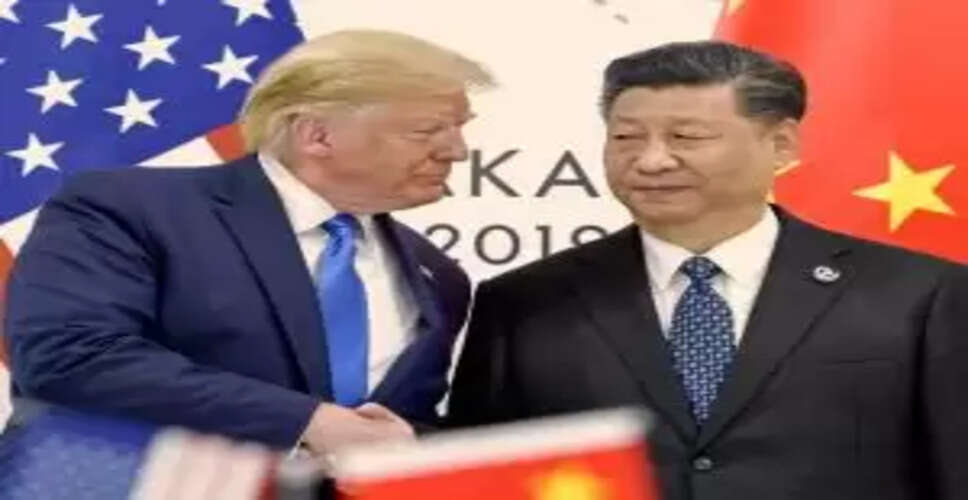
Last week, Trump and President Xi Jinping had a phone conversation where they reportedly reached an agreement regarding the US acquisition of the popular Chinese app TikTok. Additionally, trade negotiators from both nations concluded their fourth round of discussions in Spain, focusing on tariff agreements.
The K-Visa will be added to China's existing 12 ordinary visa types, specifically targeting eligible science and technology professionals. Compared to current visa options, K-Visa holders will enjoy greater convenience regarding entry frequency, validity duration, and length of stay.
K-Visa holders will also have opportunities to participate in educational and cultural exchanges, engage in scientific and technological activities, and pursue entrepreneurship.
"China's development necessitates the involvement of global talent, and in turn, it offers opportunities for them," an official was quoted by Xinhua. In a separate initiative, China has also announced visa-free entry for tourists from over 40 countries for short-term visits to enhance travel.