
China Tightens Regulations on Influencer Economy to Combat Misinformation
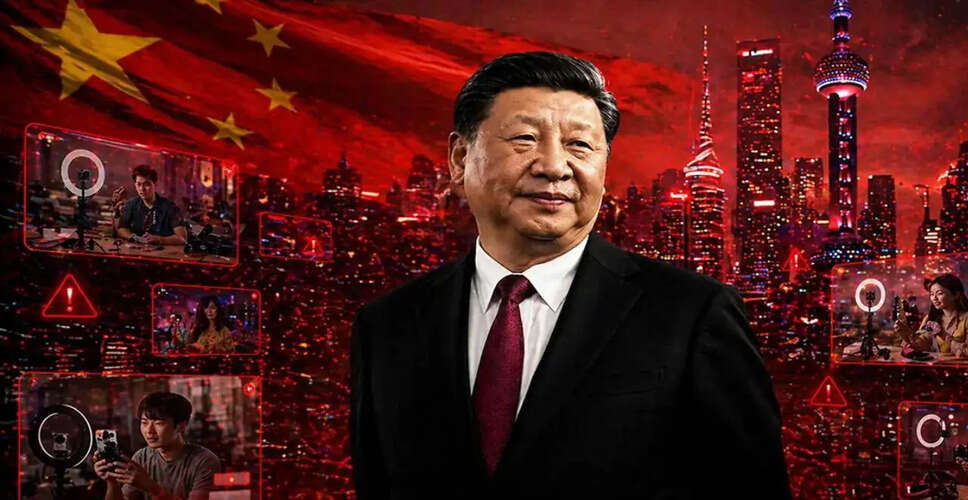

China's New Rules for Influencers
The influencer landscape in China has undergone a significant transformation as new regulations have been implemented. Rather than a gradual approach, the Cyberspace Administration of China (CAC) has introduced a strict mandate requiring influencers to demonstrate their qualifications when offering advice in critical fields. This directive, which was established in October 2025, emphasizes accountability for both content creators and the platforms they use. The focus is particularly on sectors such as finance, healthcare, law, and education, where misleading information can lead to serious consequences. For platforms like Douyin, Weibo, and Bilibili, this marks a substantial operational change, as content must now meet verification standards before it can be published.
Key Changes Under the New Regulations
At the heart of this policy is a fundamental requirement: influencers must display credentials that are both verifiable and relevant. For instance, a financial influencer is expected to present their financial qualifications, while a medical influencer must provide proof of recognized training. Vague assertions of experience will no longer be acceptable. Additionally, creators are mandated to reference their sources explicitly when making claims, including studies and data points. Furthermore, any content generated by artificial intelligence must be clearly labeled, reflecting the government's aim to regulate both human and AI-generated information.
Another critical aspect of these regulations targets covert advertising, especially in the health and wellness sectors. Content that resembles educational material can no longer be used to disguise product promotions, particularly for supplements or medical items. The enforcement of these rules is serious, with penalties reaching up to 100,000 yuan for non-compliance. Accounts may face suspension or even permanent removal, and platforms themselves will be held accountable if they fail to enforce these regulations.
Reasons Behind Beijing's Timely Action
The official rationale for these regulations is to combat misinformation. However, the deeper concern lies in the rise of what analysts refer to as an 'advice economy' in China's digital landscape over the past decade. This environment has allowed individuals with significant reach to present themselves as authorities in finance, health, and law, often without the necessary expertise. Technology analyst Tim Bajarin noted that the internet has created a scenario where confidence can overshadow competence. China's response aims to reverse this trend. Additionally, by formalizing who can provide specialized advice, regulators are not only filtering misinformation but also establishing authority within the digital realm.
The Debate: Control vs. Credibility
Not everyone views this regulatory shift as a positive development. Critics argue that linking speech to formal qualifications may limit the diversity of voices online. They contend that expertise does not always align with institutional frameworks, raising concerns about who determines what constitutes adequate authority. Supporters, however, argue that the potential risks justify these restrictions. Financial fraud, misleading health advice, and unverified legal claims have had real-world consequences, both in China and beyond. Thus, these regulations are seen as a means of risk management rather than mere censorship. The reality often lies somewhere in between these perspectives.
Is This a Model for Others?
The significance of this regulatory move lies not only in its objectives but also in its structure. It features centralized regulation, platform accountability, financial penalties, and pre-publication verification—elements that are relatively uncommon. Digital policy experts suggest that other nations grappling with similar misinformation issues may look to this model for inspiration, although replicating it in democratic contexts could face legal and political hurdles. For now, the immediate impact is clear: China's influencer ecosystem is shifting from one driven by reach and personality to one governed by credentials and compliance.