
China and Pakistan Propose Ceasefire Amid Ongoing Iran Conflict
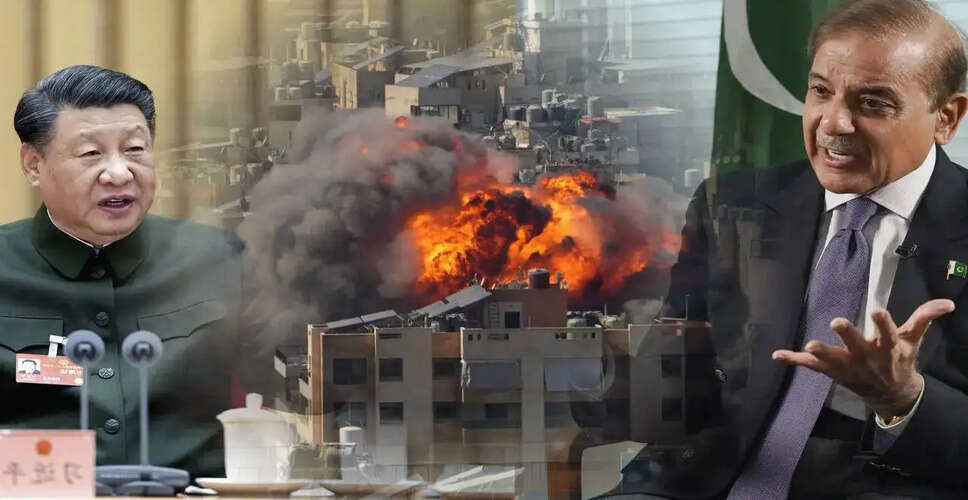

Emerging Diplomatic Efforts in the Iran War
As the conflict in Iran enters its fifth week, a cautious diplomatic opportunity has surfaced. On Tuesday, China and Pakistan jointly introduced a ceasefire framework aimed at halting hostilities and restoring stability in the Gulf region. This initiative emerged from discussions in Beijing between Ishaq Dar and Wang Yi, representing a coordinated effort to engage in a conflict largely influenced by US-Israel military actions. Dar characterized the proposal as a balanced five-point initiative that both parties are eager to support.
The plan is both structured and ambitious, advocating for an immediate halt to hostilities, safeguarding critical infrastructure—including energy and nuclear sites—and initiating negotiations under international law. However, there exists a significant gap between this proposal and the current reality, as military strikes continue across various fronts, indicating that any diplomatic efforts will face challenges from ongoing military activities.
Focus on the Strait of Hormuz
Hormuz At The Centre Of The Proposal
The Strait of Hormuz is a central concern driving this initiative, with the proposal explicitly calling for the safe passage of civilian and commercial vessels and the restoration of normal maritime operations through the strait. This focus is crucial, given the increasing disruptions to global shipping, rising insurance costs, and the potential for a broader economic impact.
China's involvement is particularly significant as it is the largest importer of Iranian oil, making it vulnerable to prolonged disruptions in Gulf energy supplies. Thus, its role in mediation is driven by both economic security and diplomatic interests. For Pakistan, the situation is more complex.
Pakistan's Balancing Act
Pakistan’s Diplomatic Role Meets Domestic Pressure
In recent weeks, Islamabad has positioned itself as a mediator between Washington and Tehran, facilitating indirect communications even as tensions have escalated. However, this external role is complicated by internal unrest in Pakistan, particularly among Shia communities reacting to the deaths of Iranian leaders and Islamabad's perceived alignment with US policies. Protests and sectarian sensitivities have highlighted a fragile domestic situation.
This creates a contradiction for Pakistan, which is trying to present itself as a stabilizing force internationally while facing internal pressures. Balancing these roles could become increasingly challenging if the conflict escalates further.
US Response and Geopolitical Implications
Washington Watches, Without Committing
The response from the US has been notably cautious. When asked about the China-Pakistan initiative, Donald Trump refrained from commenting on the specifics, only stating that negotiations with Iran are progressing well. This lack of criticism may indicate a tacit acceptance of the proposal, though it does not imply formal endorsement.
Diplomatic sources suggest that Pakistan would likely not pursue such a proposal without some alignment with US strategic goals. Meanwhile, ongoing military operations by the US suggest that diplomacy is just one of several approaches being considered.
Moreover, China's involvement in mediating a conflict that has roots in US military actions represents a significant shift in regional dynamics. As military operations persist and Iran has yet to formally agree to talks, the initiative serves as a signal that, despite escalating tensions, there are efforts to find diplomatic solutions. The future of this proposal as a viable path to de-escalation will depend on how quickly the realities on the ground align with the proposed framework.