
China and Japan Engage in Talks Amid Rising Tensions Over Taiwan Remarks
Diplomatic Discussions in Beijing
In a bid to ease escalating tensions, Chinese and Japanese officials convened in Beijing on Tuesday. This meeting follows Japanese Prime Minister Sanae Takaichi's controversial comments regarding Taiwan, which have strained relations between the two nations.
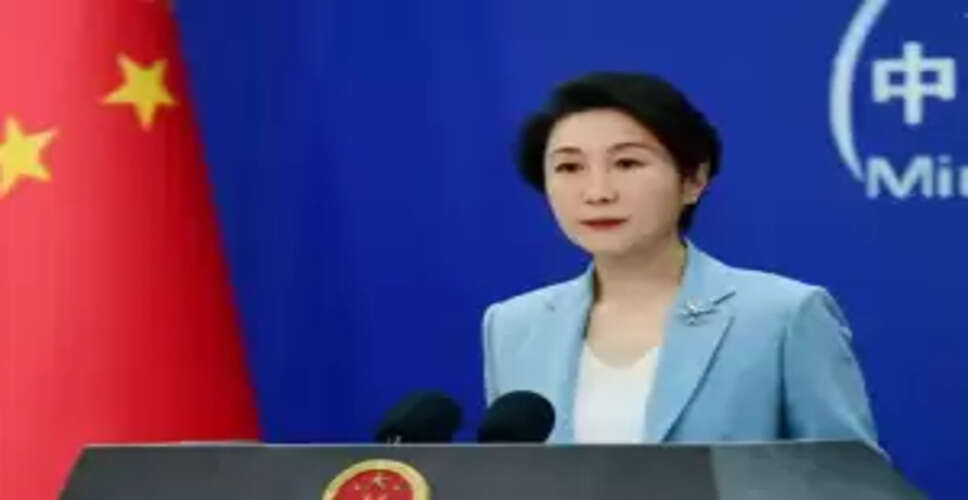
Liu Jinsong, who oversees Asian Affairs at the Chinese Foreign Ministry, met with Kanai Masaaki, the Director-General for Asian and Oceanian Affairs at Japan's Foreign Ministry, as reported by spokesperson Mao Ning.
During their discussions, China urged Japan to retract its statements and cease actions that could exacerbate tensions related to China. Mao emphasized the need for Japan to reflect on its comments and provide clarity to the Chinese populace.
Mao also addressed Japan's potential changes to its Self-Defence Forces' rank titles, asserting that China would not tolerate any resurgence of Japanese militarism or challenges to the post-war international order.
She dismissed Japan's objections to Chinese coast guard operations in the East China Sea, asserting that such patrols are lawful within China's territorial waters.
China has firmly rejected Japan's claims and has taken diplomatic steps to counter them.
The diplomatic rift intensified after Takaichi, known for her hardline stance on China, indicated that a military assault on Taiwan could pose a significant threat to Japan, potentially justifying collective self-defense measures.
In response to the tensions, China, which sends approximately 7.4 million tourists to Japan annually, has advised its citizens to refrain from traveling to Japan, leading to numerous cancellations.
Reports indicate that Japan is seeking to mitigate the diplomatic fallout, which has begun to impact tourism, education, and entertainment sectors.
China views Taiwan as an integral part of its territory and has called for Takaichi to retract her statements, asserting that the Taiwan issue is strictly an internal matter.
During the meeting, Kanai was expected to reaffirm Japan's longstanding position as outlined in a 1972 joint communique, which recognized the People's Republic of China as the legitimate government of China, shifting diplomatic recognition away from Taiwan.
Since their separation in 1949 after a civil war, Taiwan and China have been governed independently.
Kanai may also address a controversial social media post by Chinese Consul General Xue Jian in Osaka, who expressed anger over Takaichi's remarks.
In Tokyo, Chief Cabinet Secretary Minoru Kihara stated that Japan remains open to dialogue with China, following reports that Premier Li Qiang will not meet with Takaichi during the upcoming G20 summit in South Africa.
Additionally, Chinese media reported the postponement of two Japanese film releases in China, originally set for later this week and early December.