
Chief Justice Stresses Need for Enhanced Judicial Infrastructure in District Courts

Strengthening Judicial Framework
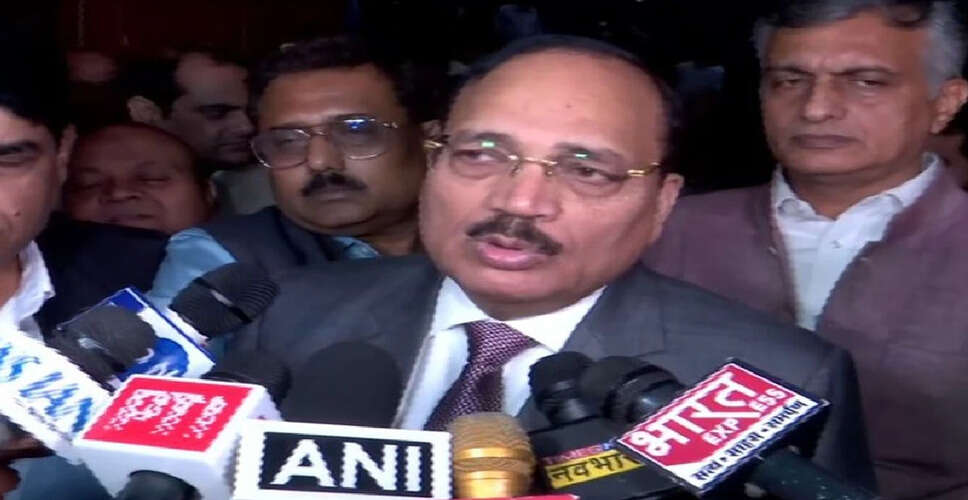
On Saturday, Chief Justice D.Y. Chandrachud emphasized the importance of bolstering the judicial infrastructure within district courts and increasing the appointment of judicial officers to ensure timely justice. He pointed out the mounting pressure of cases on courts, highlighting the necessity for additional courtrooms, expedited recruitment, and improved facilities. Speaking at the inauguration of a multi-level parking facility within the district court premises, he urged the governments of Punjab and Haryana to make essential decisions to upgrade and develop the infrastructure in sub-divisional and district courts. The event was attended by Punjab Governor Gulab Chand Kataria, along with Supreme Court Justices A.G. Masih and Sheel Nagu.
Chandrachud noted the gradual rise in the number of bar associations at the sub-divisional level in Punjab and Haryana, indicating an increasing demand for judicial officers. He remarked, "Despite annual recruitment efforts, we are unable to fill all positions. A significant reason for this is the lack of available judicial infrastructure for newly appointed officers. If there are no courtrooms, what is the benefit of appointing judicial officers?"
Rising Case Load
He also highlighted the substantial increase in new cases in recent years. "For instance, in 2024, approximately 75,000 cases were registered in the Supreme Court. This number surged to around 80,000-83,000 in 2025, and we anticipate it will exceed one lakh this year," he stated. In light of this, he requested the central government to increase the sanctioned number of Supreme Court judges from 34 to 38. The Chief Justice expressed concern over the perception of pending cases in the country, stressing the need for a proper understanding of the issue. He disagreed with the claim that the number of pending cases has reached one crore, explaining that once a case is filed, it is counted, but procedural requirements and principles of natural justice prevent immediate resolutions.
Understanding Procedural Necessities
He elaborated on the procedural requirements that must be fulfilled before delivering a verdict, such as issuing notices, completing arguments, determining issues in civil cases, and allowing both parties to present evidence. "Regarding procedural necessities, I do not consider a case to be in arrears. A case may be pending, but there is a valid reason for it, as the legal processes outlined are being followed," he concluded.