
Chhandoh Village in Himachal Pradesh Embraces Consensus Governance Amid Election Delays

Innovative Governance in Chhandoh
Munish Sood
Bilaspur
In the midst of political uncertainty and delays surrounding panchayat elections in Himachal Pradesh, a village in the Bilaspur district has showcased a remarkable example of governance based on consensus.
The newly established Chhandoh panchayat, formed from the division of Dadhol and Padyalag panchayats in the Ghumarwin subdivision, chose to appoint its leaders unanimously rather than hold elections. This decision underscores a shared commitment to development and social unity over electoral rivalry.
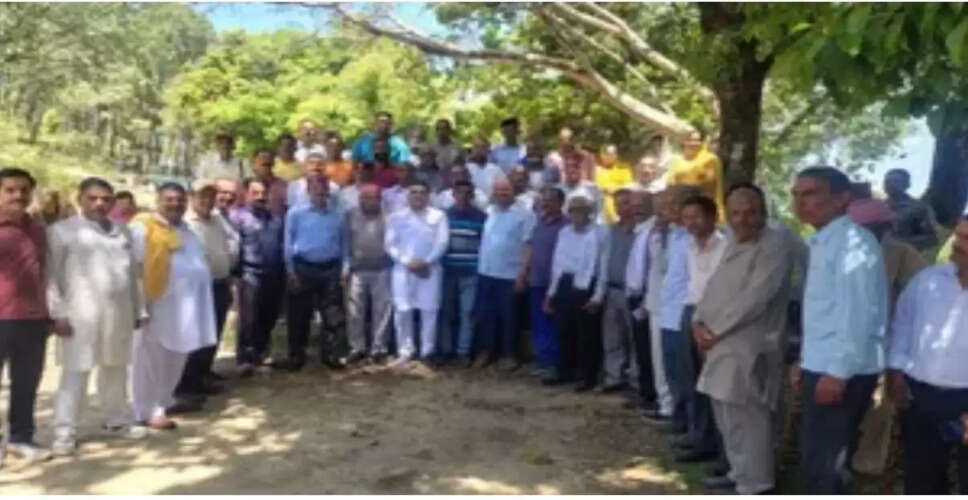
During a meeting led by former panchayat head Mehr Singh, community members came together to agree on all significant positions. Subhash Ranaut was selected as the panchayat head, while Baljeet Kashyap was appointed as the deputy head.
Additionally, five ward members were chosen without any contest, representing various regions within the panchayat. This entire process was achieved through mutual consent, with no objections raised against any candidates.
Baljeet Kashyap expressed that the new team is dedicated to collaborating for balanced development across all villages under the panchayat's governance.
Financial Incentives for Consensus-Based Leadership
The state government offers financial rewards to promote such consensus-driven selections. A panchayat where the head, deputy head, and all ward members are elected unopposed qualifies for a grant of ₹10 lakh.
In a similar vein, a Panchayat Samiti that sees all its members, including the chairperson and vice-chairperson, chosen unanimously receives ₹5 lakh, while district-level bodies can earn ₹15 lakh under the same conditions.
Election Schedule Still Pending
Over 3,600 panchayats in Himachal Pradesh are awaiting elections, with the Supreme Court requiring the process to be completed by May 31. The previous panchayat bodies' tenure concluded on January 31, and authorities are finalizing preparations, with an announcement regarding election dates anticipated soon.
The situation in Chhandoh illustrates a different approach to grassroots governance, prioritizing consensus and collaboration during a time of administrative change.