
Changes to US Immigration System: Stricter Visa Rules and Green Card Limitations
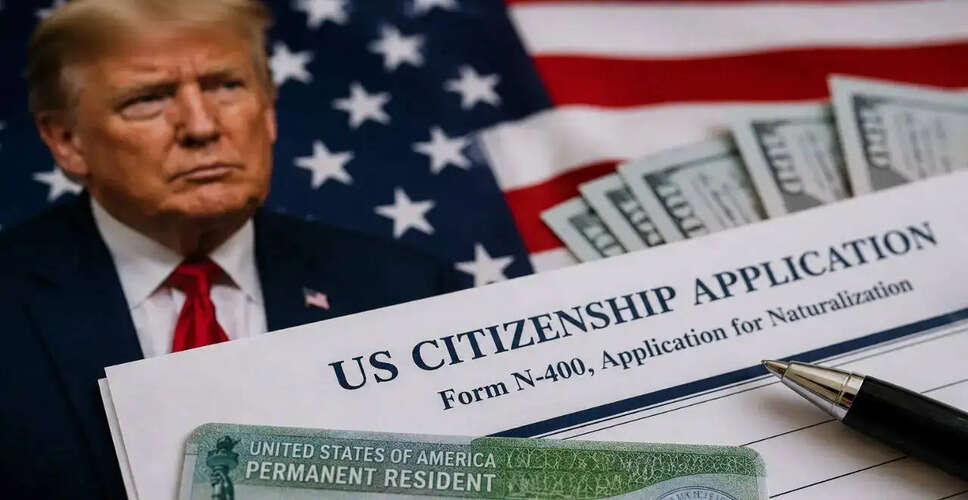

Overview of New Immigration Changes
This month, the Trump administration is implementing significant modifications to the legal immigration framework in the United States. These adjustments include stricter regulations for green cards, a reduction in visa availability across certain employment sectors, and heightened penalties for application errors. The new measures integrate updated visa caps from the State Department's July 2026 Visa Bulletin alongside a recent rule from the Department of Homeland Security (DHS) that enhances the government's ability to reject applications due to minor filing errors. Additionally, there is a broader directive for immigration officials to exercise increased scrutiny when evaluating applications for permanent residency. These changes come amid a surge in demand for employment-based green cards and escalating visa backlogs.
Tightening Employment-Based Visa Limits
As per the July 2026 Visa Bulletin from the State Department, the annual visa quotas have been fully utilized in several high-demand employment categories. Specifically, Employment-Based Second Preference (EB-2) visas for Indian applicants are no longer available for the remainder of the fiscal year. Furthermore, unreserved EB-5 investor visas for applicants from India have also reached their annual cap, meaning no additional approvals will be granted until the new fiscal year commences in October. The US Citizenship and Immigration Services (USCIS) will continue to apply the more stringent 'Final Action Dates' chart to determine eligibility for status adjustment applications in employment categories, restricting submissions to those whose priority dates align with the published cut-off dates.
Implementation of New Filing Regulations
A new interim final rule from the Department of Homeland Security is set to take effect on July 10. This regulation grants USCIS expanded authority to reject or deny immigration applications lacking a valid signature. Applications may be denied even after being accepted for processing, with the agency retaining the filing fees in such cases. Federal officials have indicated that this rule aims to standardize the enforcement of filing requirements. However, applicants whose submissions are denied due to technical issues may need to file a new application and incur additional fees. This change aligns with a policy memorandum from USCIS issued in May regarding the adjustment of status process, which allows eligible applicants to seek lawful permanent residency from within the US. The guidance emphasizes that adjustment of status is a discretionary form of immigration relief, requiring officers to evaluate each application on a case-by-case basis, considering various factors beyond just statutory eligibility. While applicants meeting legal criteria may still qualify for permanent residency, approval is not guaranteed. Immigration attorneys have noted that the revised guidance has led to increased uncertainty and more thorough reviews of applications.
Looking Ahead
The current visa restrictions are anticipated to remain in place until September 30, marking the end of the US fiscal year, at which point a new allocation of immigrant visas will be available. In the interim, applicants may experience longer wait times, diminished visa availability in specific employment categories, and stricter enforcement of filing protocols as immigration authorities navigate limited annual visa allocations.