
Changes at Jantar Mantar: New Legal Challenges for Protesters
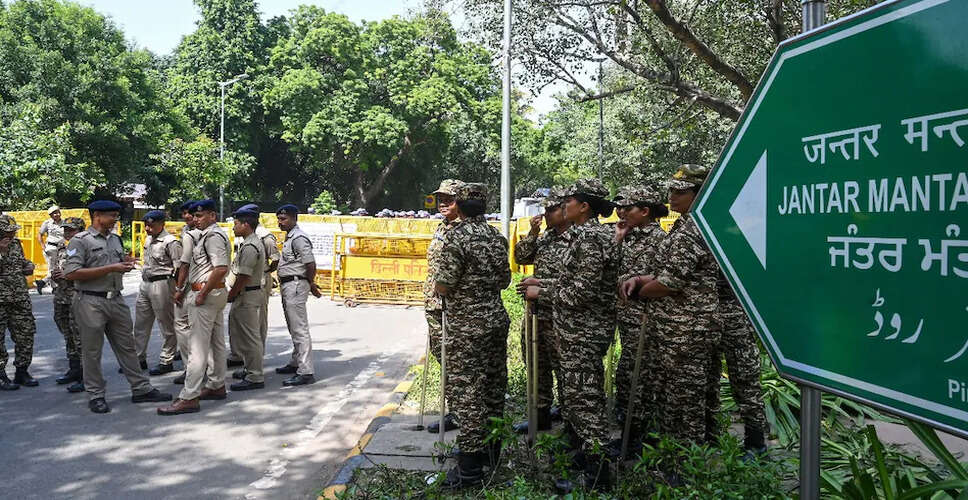

Legal Changes Impacting Protests at Jantar Mantar
The discussion surrounding the regulations and legal provisions for protesters at Jantar Mantar in Delhi has intensified. This location has historically served as a significant hub for various social, political, and public interest demonstrations. However, with recent updates regarding the legal status of the protest site, questions arise about the implications for demonstrators and the potential consequences of violating these new rules.
Political parties, social organizations, and other groups have frequently staged protests at Jantar Mantar on various issues. Consequently, the officially designated status of the site, the necessity of administrative approval, and regulations concerning public order have become critically important.
On October 12, 2026, the Delhi police removed Jantar Mantar from the list of official protest sites. This decision followed directives from the Supreme Court on October 9, which called for the identification of suitable alternative locations for protests. The police have now designated Ramleela Maidan, Burari Ground, and the CBD Ground in East Delhi as alternative venues for demonstrations.
As a result of this change, individuals protesting at Jantar Mantar without permission may face legal complications. A case involving leaders of the Cockroach People's Party (CJP), Sourav Das and Ashutosh Ranka, illustrates this point. According to police reports, both leaders allegedly entered a restricted protest area without authorization. They were subsequently detained and sent to Tihar Jail for five days of judicial custody on October 14. Another party member, Ajinkya Shinde, was reportedly released on personal bail.
The police's actions in this instance have sparked a renewed debate regarding the permissions and legal frameworks governing protest sites. While the administration emphasizes adherence to established rules to maintain public order and safety, groups seeking to protest now face the challenge of understanding new locations and the permission process.
In a related case concerning protest permissions at Jantar Mantar, the Delhi High Court also conducted hearings. This case involved a petition from the Indian Youth Congress seeking permission to protest against Chief Election Commissioner Gyanesh Kumar. The police informed the court that Jantar Mantar is no longer recognized as an official protest site and that alternative locations have been designated. The court has requested responses from the involved parties.
The impact of this change in protest site status may become evident in the upcoming demonstrations in Delhi. However, this does not imply that the right to protest has been abolished in the country. Citizens retain the right to express their views peacefully, but it is essential to comply with the regulations governing public demonstrations, administrative permissions, and court directives.
Organizations planning protests at Jantar Mantar must now pay close attention to the current regulations and permission requirements. It will be crucial to observe how the arrangements for alternative protest sites are implemented and how a balance is maintained between the right to peaceful protest and public order.