
Chamba MLA Engages with BPL Beneficiaries to Promote Welfare Initiatives

Direct Engagement with Beneficiaries
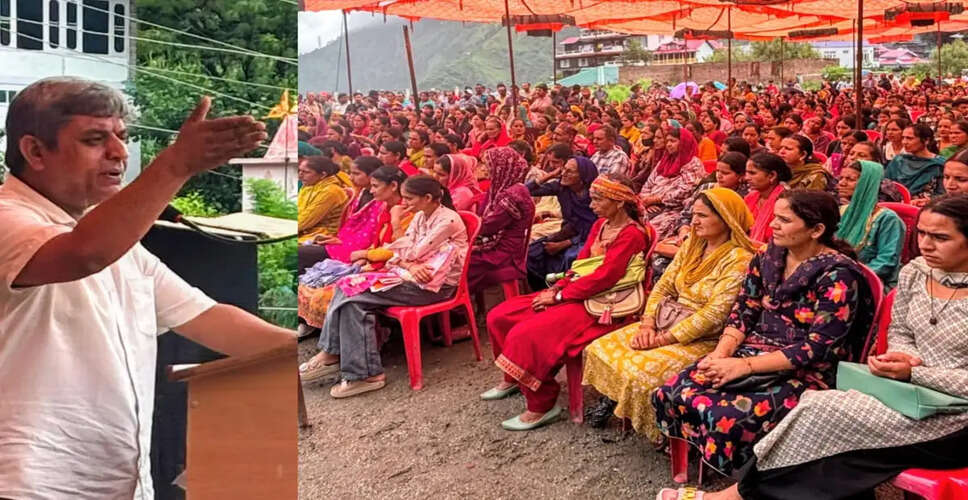
Chamba's MLA, Neeraj Nayyar, held direct discussions with Below Poverty Line (BPL) beneficiaries during public dialogue events as part of the "Mukhyamantri Apna Parivar, Sukhi Parivar" initiative, which took place in Maihla and Sarol.
These gatherings, organized by the Rural Development and Panchayati Raj Department, saw participation from beneficiaries identified through BPL surveys conducted in multiple phases. In Maihla, approximately 2,500 beneficiaries from 18 Gram Panchayats attended, while Sarol hosted around 1,200 beneficiaries from 20 Gram Panchayats.
During these sessions, MLA Nayyar addressed various issues raised by attendees, providing immediate solutions to several concerns. He reiterated the state government's dedication to the comprehensive development of rural regions and the empowerment of underprivileged families through various welfare programs.
Nayyar informed attendees about several initiatives, including the Mukhyamantri Sukh Aashray Yojana, along with schemes focused on agriculture, horticulture, animal husbandry, and related sectors. He underscored the importance of the Minimum Support Price (MSP) for crops such as wheat, maize, turmeric, and milk, ensuring fair compensation for farmers and livestock owners.
He encouraged participants to stay updated on government schemes and utilize them effectively to enhance their family’s well-being and achieve self-sufficiency. Additionally, he urged panchayat representatives to actively promote awareness, emphasizing their vital role as intermediaries between the government and the community.
Nayyar announced plans for a forthcoming meeting with newly elected panchayat representatives, which will be chaired by the SDM of Chamba, where they will receive briefings on various welfare schemes across departments.
Departmental officials present at the events also provided insights into their respective schemes and services. MLA Nayyar encouraged residents to engage in these dialogues, voice their concerns, and leverage welfare initiatives to foster empowered and self-sufficient families.