
Challenges in Nancy Guthrie's Disappearance Case: DNA Evidence and Forensic Delays
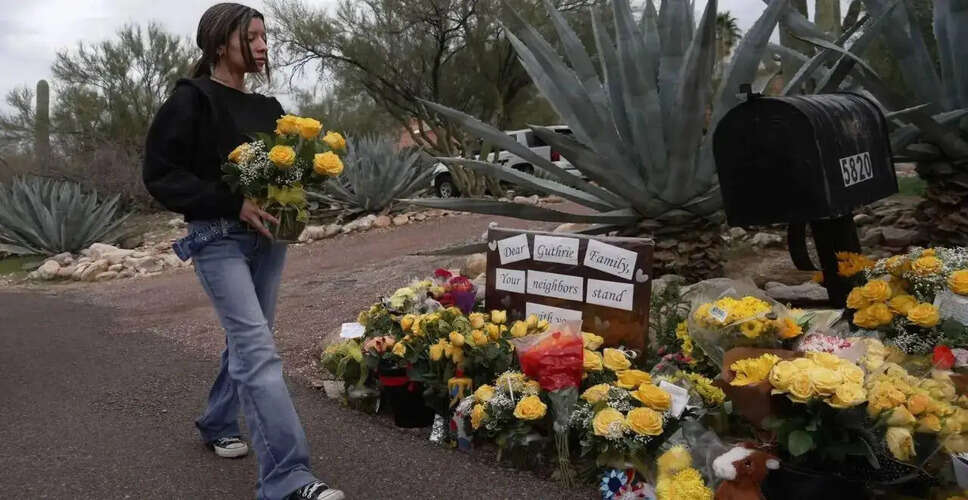

Complications in the Investigation of Nancy Guthrie's Disappearance
The ongoing investigation into the disappearance of Nancy Guthrie, who is 84 years old, faces significant hurdles due to unresolved DNA evidence and prolonged forensic testing delays. Legal experts suggest that these issues could hinder any future prosecution efforts. Guthrie was reportedly abducted from her residence near Tucson in the early hours of February 1. Nearly four months have passed without any arrests, and authorities have shared limited information with the public.
Joshua G. Schiffer, a seasoned criminal defense attorney, expressed concerns about the unresolved DNA findings and the intricate nature of the evidence trail, which could pose challenges if a suspect is eventually identified. Guthrie was last seen on January 31 after dining with family in the Catalina Foothills area, and she was dropped off shortly before 10 PM local time. Her family alerted authorities the next morning when she did not show up for church.
Investigators have indicated that digital evidence has helped narrow down the timeframe of the suspected abduction. Notably, Guthrie’s Nest doorbell camera lost connection at 1:47 AM, and her pacemaker monitoring app ceased communication at 2:28 AM. This prompted a large-scale search operation across southern Arizona, involving both local law enforcement and the Federal Bureau of Investigation.
Schiffer highlighted that any delays in DNA analysis could complicate the legal proceedings, especially since no suspect has been publicly named. He noted that any issues in evidence handling or analysis could provide defense attorneys with opportunities to challenge the prosecution. Furthermore, the evidence is reportedly being processed by five different laboratories, which could complicate the chain of custody if charges are filed.
Investigators have mentioned the possibility of a mixed DNA sample, which Schiffer pointed out could be particularly challenging to explain in court. He stated, “A mixed DNA profile creates scientific complexity that jurors may struggle to interpret.” Additionally, authorities are considering genealogy tracing techniques as part of their investigation, a method that, while increasingly utilized, raises legal and privacy concerns.
One of the critical unresolved issues is whether the unidentified DNA found during the investigation is linked to the suspected abduction. Schiffer emphasized that if the evidence is insufficient or if there are gaps, a court may instruct an acquittal, regardless of how guilty a suspect may appear.
Authorities have released surveillance footage showing a masked individual near Guthrie’s home prior to her disappearance, but no further identification has been made public. Chris Nanos, the lead investigator, has reiterated that the case remains active and is not considered cold. A spokesperson for the Pima County Sheriff's Department stated, “This remains an active and ongoing investigation. Forensic analysis of video and DNA evidence is still in progress, and we have no additional information to provide at this time.”