
Challenges in Malaria Eradication in Assam Due to Anopheles Mosquitoes
Malaria Threat in Assam
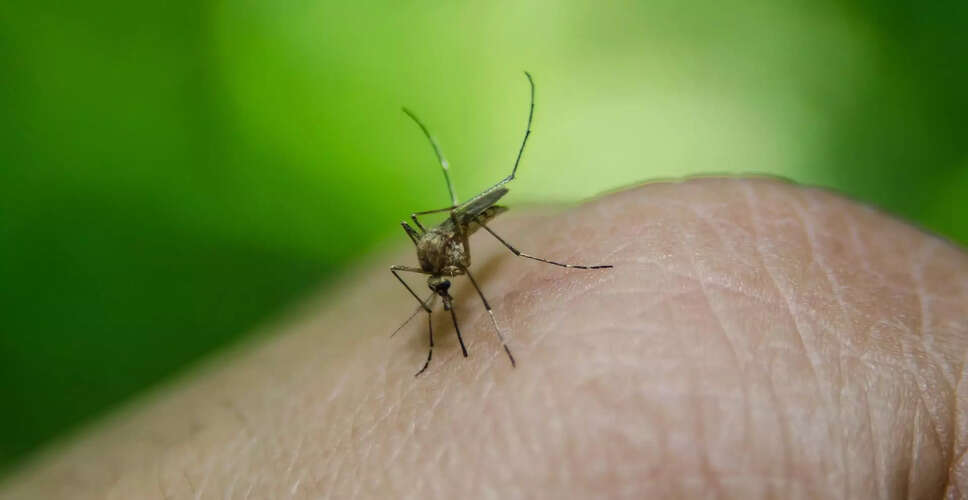
New Delhi, Dec 29: The rise of Anopheles culicifacies, a significant malaria-carrying mosquito species, presents a major hurdle for Assam in its fight against mosquito-borne diseases, according to a recent report from the ICMR-National Institute of Malaria Research (ICMR-NIMR) and the National Centre for Vector Borne Disease Control (NCVBDC).
While many districts in Assam have seen a notable decrease in malaria cases, border areas remain particularly vulnerable, as highlighted in the report.
“Cross-border transmission from Myanmar and Bangladesh continues to impact border districts in the Northeast,” the report indicates.
It also notes that states such as Assam, Manipur, and certain districts in Punjab, Haryana, Rajasthan, Jharkhand, and Madhya Pradesh show varied malaria transmission patterns, where overall reductions exist alongside persistent local hotspots.
States adjacent to international borders or major transit routes are at ongoing risk of malaria re-introduction, even after achieving local control.
“Cross-border movement for jobs, trade, and social interactions, along with seasonal population increases during festivals and mass gatherings, are significant risk factors for malaria,” the report further elaborates.
The report emphasizes the urgent need to enhance indoor residual spraying (IRS) and long-lasting insecticidal nets (LLINs) coverage during peak risk seasons to bolster protection when malaria cases typically surge.
It stresses the importance of detailed block-level planning in Mizoram, Tripura, Meghalaya, Nagaland, and Arunachal Pradesh to effectively target interventions in areas with the highest transmission rates.
“Utilizing trained volunteers in border villages can aid in early case reporting and monitoring population movements that may affect transmission,” the report suggests.
The document highlights that India has made significant progress in malaria elimination over the last decade, positioning itself as a global leader in malaria control and eradication.
A statement from the report noted, “From 2015 to 2024, the country has achieved an estimated 82-85 percent reduction in malaria cases and a 78 percent decrease in malaria-related deaths, reflecting sustained investments in surveillance, diagnosis, treatment, and vector control.”