
Cervical Cancer Awareness: Key Insights on Prevention and Screening
Importance of Vaccination and Early Detection
New Delhi, Jan 10: Health professionals emphasized the significance of vaccination, screening, and prompt treatment in combating cervical cancer, which claims a woman's life every eight minutes in India.
January is recognized worldwide as Cervical Cancer Awareness Month.
The Human Papillomavirus (HPV) is the primary cause of cervical cancer, infecting the cervix, the lower part of the uterus. While an HPV infection does not automatically lead to cancer, it necessitates testing to determine if it has induced any changes in the cervix.
“Cervical and breast cancers are the most prevalent cancers among women. In India, cervical cancer results in a death every eight minutes, highlighting the severity of the issue. In many developed nations, the mortality rate is significantly lower due to the preventable nature of cervical cancer. Timely screening and appropriate vaccination can make it nearly 100% preventable,” stated Dr. Sujata Pathak, a scientist specializing in Preventive Oncology at AIIMS Delhi.
“Preventing cervical cancer stands as one of the most effective triumphs in cancer control within modern medicine. The disease is mainly caused by persistent infections from high-risk HPV, making it largely preventable through vaccination, screening, and early intervention,” added Dr. Rahul D. Modi, a gynecologic oncologist at a hospital in Delhi.
Experts pointed out that a lack of awareness significantly contributes to the high incidence of this disease in India.
Dr. Pathak noted that although the HPV vaccine has been available since 2006, awareness levels have remained low. However, recent efforts by the WHO to classify cervical cancer as a major public health concern have increased awareness.
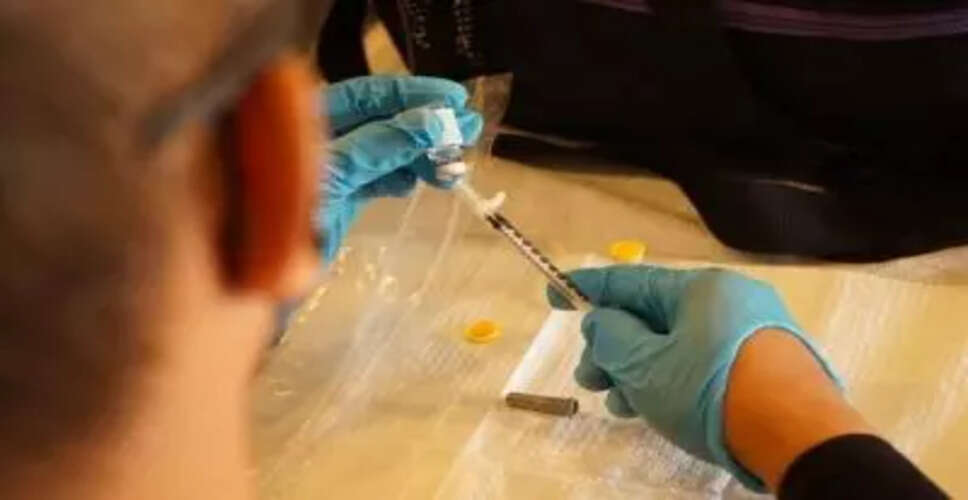
“The HPV vaccine, which is recommended for adolescents prior to the start of sexual activity, can prevent most cervical cancer cases by protecting against the most harmful HPV types. When vaccination programs are widely implemented, they can greatly reduce HPV infections, precancerous lesions, and future cancer cases,” Modi explained.
The HPV vaccine is considered safe and has undergone extensive testing. Minor side effects, such as pain at the injection site, redness, or a mild fever for a day, may occur, similar to other vaccines, but serious side effects are rare.
Girls aged 9 to 14 should receive the vaccine, which requires two doses. For those older, three doses are necessary. According to the WHO, even a single dose can provide protection for up to 20 years.
In addition to vaccination, maintaining good menstrual hygiene and overall health is crucial.
In approximately 90% of cases, HPV infections resolve on their own within two years.
Screening is equally vital. Tests like pap smears and HPV DNA testing can identify precancerous changes in the cervix long before they develop into invasive cancer. AIIMS Delhi has initiated a month-long free cervical cancer screening program.
“Cancer typically takes 15-20 years to develop, allowing ample time for screening and intervention,” Dr. Pathak remarked, emphasizing that timely screening can detect changes before cancer manifests. AIIMS Delhi is also offering a month-long free screening for cervical cancer.
Symptoms often appear late, and by that time, the cancer may be advanced.
Late-stage symptoms can include post-menopausal bleeding, bleeding between periods, excessive white discharge, abdominal pain, or lower back pain. While these symptoms do not always indicate cancer, they should never be overlooked, according to Pathak.