
Central Cabinet Approves Major Initiatives for Infrastructure and Semiconductor Development
The Central Cabinet has recently approved a series of major initiatives aimed at enhancing infrastructure and semiconductor development in India. Key decisions include the Semiconductor 2.0 program and the Mobile Phone Manufacturing Scheme, with a total expenditure of ₹2,19,353 crores. The Cabinet also sanctioned significant railway projects and a National Investment Policy for Urea-2026, aimed at achieving self-reliance in urea production. These strategic moves are expected to bolster India's manufacturing capabilities and infrastructure development, particularly in Varanasi. Read on to discover more about these pivotal decisions and their implications.
| Jul 15, 2026, 15:45 IST

Cabinet's Key Decisions
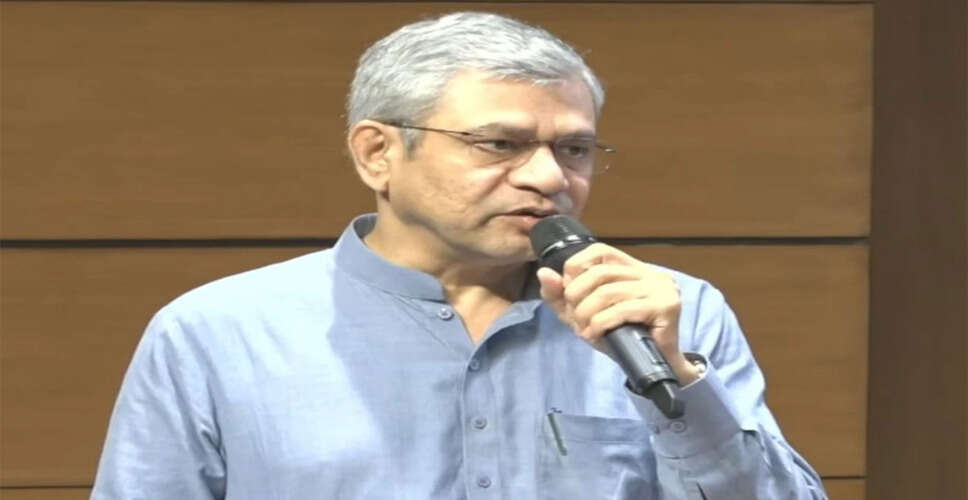
The Central Cabinet has given the green light to seven significant initiatives, which include the Semiconductor 2.0 program, the Mobile Phone Manufacturing Scheme (MPMS), and the National Investment Policy for Urea-2026, along with various infrastructure and railway projects. The total expenditure for these approved projects amounts to ₹2,19,353 crores. After the Cabinet meeting, Union Minister for Information and Broadcasting Ashwini Vaishnaw addressed the media, stating that these seven major decisions have been made. He noted that the first two decisions are related to innovative infrastructure development in Varanasi (Kashi). According to the minister, the government has approved a 6/4-lane elevated corridor along the Varuna River at a cost of ₹10,998 crores and a 6-lane elevated corridor along the Ganga River costing ₹14,448 crores.
Among the key announcements, the Cabinet has sanctioned the Semiconductor 2.0 initiative with an investment of ₹1,27,500 crores. This approval marks a crucial step for the government.
The Cabinet has also approved the Mobile Phone Manufacturing Scheme (MPMS) with a budget of ₹62,500 crores. This scheme is one of the significant decisions announced alongside Semiconductor 2.0. Furthermore, Vaishnaw elaborated on another important decision, stating that the government has approved the National Investment Policy for Urea-2026. He mentioned that the aim of this policy is to make India self-reliant in urea production. This decision is a policy approval, and no financial allocation is included in the list of Cabinet decisions.
Additionally, the Cabinet has approved two railway infrastructure projects. It has sanctioned the doubling of the Paradip-Haridaspur railway line at a cost of ₹2,542 crores. The approval also includes the fourth railway line between Dangoaposi and Rajkharsawan, which involves an investment of ₹1,365 crores. He reiterated that seven major decisions were made today, with the first two related to new methods of infrastructure development in Varanasi (Kashi). The third and fourth decisions pertain to the approval of the Semiconductor Mission 2.0 and the Mobile Phone Manufacturing Scheme. The fifth decision aims to achieve self-reliance in urea production, leading to the approval of the National Investment Policy for Urea.