
Celebrating Assam's Statehood: A Historical Overview
Significance of December 2nd
December 2nd holds great importance for Assam, marking the anniversary of the state's establishment in India. This date symbolizes the formation of Assam as a state in 1963. Historically, the year 1963 was significant as it saw the integration of Arunachal Pradesh, Mizoram, Nagaland, and Meghalaya into a larger state. Following the implementation of the State Reorganization Act of 1956, Nagaland and Meghalaya were separated from Assam on December 2, 1963, leading to the birth of the present-day Assam.
A Rich Historical Background
Assam boasts a rich and ancient history, primarily recognized for the Kamrup Empire and the six centuries of rule by the Ahom dynasty. The Ahom kings, known for their victories against the Mughals, saw Assam come under British rule in 1826. Subsequently, the state evolved into a hub for tea production and natural resources.
Demographics: Language and Religion
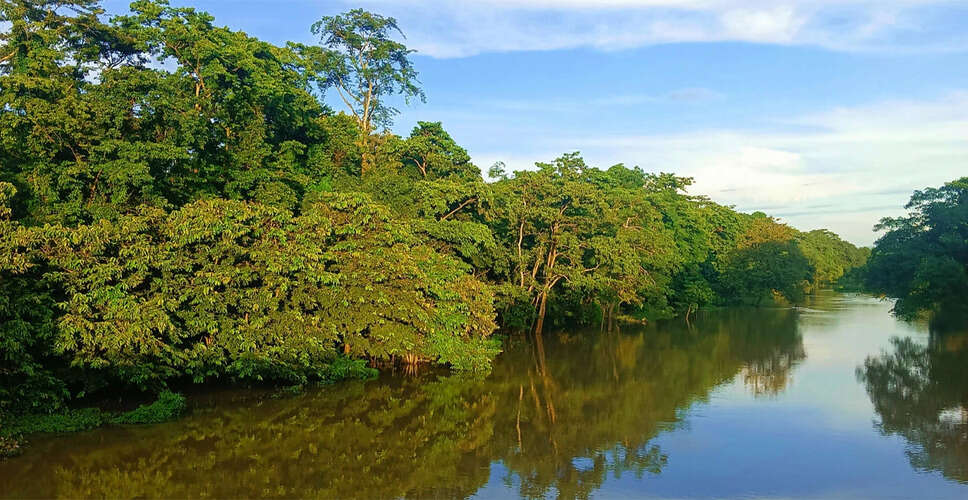
In terms of demographics, approximately 61.47% of Assam's population identifies as Hindu, while 34.22% are Muslim. Christians make up about 3.74%, with the remainder belonging to other religions such as Buddhism and Jainism. After gaining independence, Assam was a large state with Shillong as its capital, which later transitioned to Dispur. The Brahmaputra River, renowned for its width of nearly 100 kilometers, is a significant feature of the state.
Political Landscape
Assam's political representation has undergone significant changes, primarily due to party reorganization, elections, and public opinion. The major political parties in Assam include the Bharatiya Janata Party (BJP), Assam Gana Parishad, Congress, and the All India United Democratic Front. Since 2021, the BJP, under the leadership of Himanta Biswa Sarma, has been in power, alongside regional parties like the United People's Party Liberal and the Bodoland People's Front.
Legislative Representation
The state of Assam comprises a total of 126 assembly seats. Recently, the Election Commission maintained the number of assembly seats at 126 and the Lok Sabha seats at 14, following delimitation. Currently, the BJP (NDA) government is led by Himanta Biswa Sarma.