Celebrating 300 Years of Jaipur: A Jewel of Craftsmanship and Heritage

Jaipur's Rich Legacy in Jewelry and Gemstone Craft
As Jaipur enters its 300th year, discover the brilliance of its jewelry and gemstone trade: This pink city illuminates the world with its craftsmanship...
The luster of emeralds, the grandeur of Kundan-Meenakari, and the unmatched artistry of intricate jewelry... From the divine adornments of Ram Lalla to the World Cup trophy, Jaipur's craftsmanship has carved a unique identity globally.
Jaipur. The identity of the pink city is not just limited to its magnificent palaces and historical architecture. It also boasts a heritage that shines across oceans. This heritage encompasses the art of gemstones and jewelry. From transforming ordinary stones into precious gems to embedding Kundan in gold and crafting Meenakari with colors, the world of craftsmanship has thrived for generations. The Johari Bazaar in Jaipur symbolizes this skill, tradition, and commercial prosperity. Exploring this invaluable heritage on the occasion of Jaipur's 299th foundation day is a journey where history, art, trade, and the extraordinary skills of artisans come together.
The Vision of Maharaja Sawai Jai Singh II
When Maharaja Sawai Jai Singh II established Jaipur in 1727, he envisioned it as more than just a capital; he aimed to create a thriving center for art, culture, knowledge, and commerce. To realize this vision, he invited scholars, artists, and skilled craftsmen from various parts of the country. Experts in gemstones and jewelry from regions like Delhi, Agra, and Varanasi made Jaipur their workplace. Over time, their family craftsmanship merged with local skills, evolving into a distinctive industry. The naming of the main market as Johari Bazaar and the central Chowk as Manak Chowk reflects the significance of the gemstone trade in Jaipur's foundational concept.
Global Recognition Through Renowned Jewelers
Prominent jeweler families such as Mukim, Malpani, Fofaliya, Jargad, Sanghi, and Ajja Miyan have played a crucial role in establishing Jaipur's reputation in the gemstone trade. Later, families like Dhandhiya, Bairathi, and Musal expanded this tradition. Names like Lala Kashinath, Kishanchand Harichand Sighad, Ratanlal Fofaliya, Sujanmal Dabad, Sundarlal Tholia, Shrichand Golecha, Gulabchand Bothra, Jatanmal Naulakha, and Rajroop Tank have been associated with the history of this trade. The contributions of Vinaychand Bhai Durlabhji and Khelshankar Durlabhji from Morvi, Gujarat, are also noteworthy.
These families and establishments not only expanded trade but also preserved traditional craftsmanship, securing Jaipur's unique position in the international gemstone market.
Emeralds Shine Bright on the Global Stage
Jaipur is recognized as one of the leading centers for colored gemstones globally. It has gained international acclaim, particularly for the cutting, polishing, and processing of emeralds. Raw gemstones from various parts of the world arrive here, where skilled artisans enhance them into jewelry that meets global market demands. The craftsmanship of Jaipur artisans is also renowned for cutting other colored gemstones like ruby, sapphire, topaz, and turquoise. The industry's hallmark is its precision; even slight variations in size, angle, and brilliance can alter a gemstone's beauty and value. The ability to carve hundreds of fine gems from a minuscule weight of one ratti showcases the extraordinary skills of these artisans. This art, developed through traditional tools, keen eyesight, and years of practice, remains Jaipur's greatest asset.
Kundan-Meenakari: A Royal Legacy
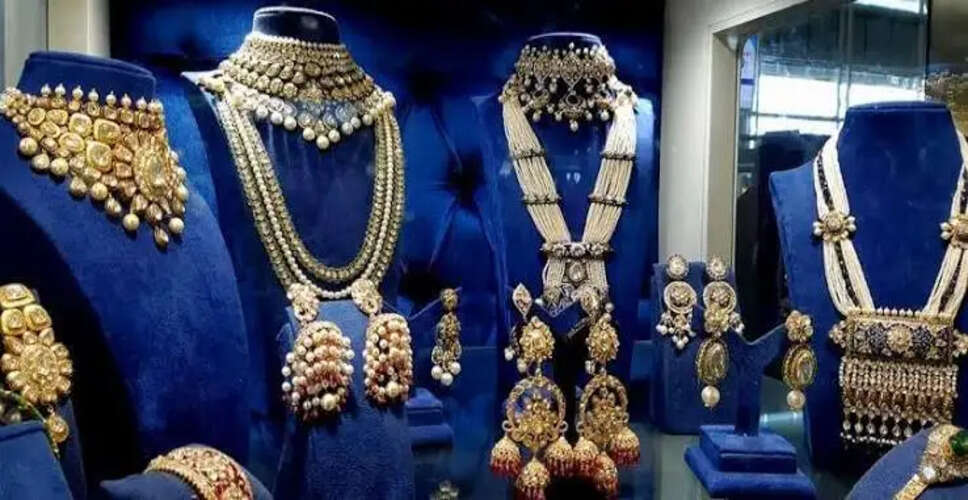
The art of embedding gemstones into jewelry has also given Jaipur a distinct identity. The Kundan, Meenakari, and Jadau gold jewelry from this city are celebrated for their intricate craftsmanship, color combinations, and traditional designs. In Kundan setting, gemstones are artistically placed on a gold surface, while Meenakari brings jewelry to life with colorful patterns and engravings. The fusion of these two arts transforms any piece of jewelry into a collectible masterpiece. From traditional adornments of royal families to modern fashion and grand wedding ceremonies, Jaipur's artisans have showcased their artistry.
From Divine Adornments to the World Cup Trophy
The prestige of Jaipur's craftsmanship is evident in its reach across religious faiths, sports, and cinema. The divine jewelry crafted for the idol of Lord Ram in Ayodhya is a point of pride for the city, showcasing the contributions of Jaipur's renowned jewelry artisans. Similarly, the craftsmanship associated with the Cricket World Cup trophy has left a mark in the international sports arena.
In films with grand historical backgrounds, the royal jewelry worn by actors has also been crafted by Jaipur's jewelers and artisans. Thus, from the divine adornments of temples to the cricket field and the silver screen, Jaipur's art continues to shine uniquely.
Royal Patronage and Institutional Support
The rulers of Jaipur have provided protection and encouragement to the gemstone and jewelry trade. Prioritizing local jewelers in royal purchases and offering loans from the state treasury to traders have strengthened the industry. Artisans involved in gemstone cutting, setting, and Meenakari have also benefited from this patronage. Over time, efforts were made to organize the trade, leading to the establishment of the Jewelers Association in 1927. Testing laboratories, weighing scales, and training facilities were developed to ensure the purity of gemstones. Institutions like the Gem and Jewelry Information Center of India and the Gem and Jewelry Export Promotion Council have played roles in promoting technical knowledge, quality enhancement, and exports.
Facing Challenges and Exploring New Opportunities
Despite its rich heritage, Jaipur's gemstone and jewelry industry faces numerous challenges today. Global competition, the increasing use of modern machinery, the availability of raw materials, and changing market demands have altered the nature of the trade. Countries like Thailand, Sri Lanka, and Israel have enhanced their technical capabilities in gemstone processing. Meanwhile, better job opportunities in cities like Surat have led some skilled artisans from Jaipur to seek work in other sectors, posing a challenge to pass on traditional skills to the next generation. There is a need for artisans to receive modern tools, skill training, fair wages, and social security. Through digital marketing, e-commerce, quality testing, and direct access to international markets, this industry can reach new heights. Activities like jewelry heritage walks, craft demonstrations, and workshops can also connect tourism with this heritage.
The Legacy of 299 Years Hidden in Johari Bazaar
In the 299-year journey of Jaipur's development, the gemstone and jewelry industry is a chapter that has given the city a global identity. The emeralds, rubies, and Kundan-Meenakari jewelry displayed in the shops of Johari Bazaar are not just precious items; they symbolize generations of experience, dedication, and artistic pursuit.
This journey, initiated by Maharaja Sawai Jai Singh's vision, has now reached the global market. It is essential not to regard this invaluable heritage merely as a relic of the past but to build it into an economic strength for the future through modern technology, innovation, and the preservation of skilled artisans.
For the true brilliance of Jaipur lies not only in its pink buildings but also in the skilled hands that transform ordinary stones into gems and metals into unparalleled artworks. This craftsmanship tells the world that Jaipur's shine is indeed unparalleled.
Author
Dr. Gordhan Lal Sharma
National Award-winning author, sociologist, and senior officer of the Rajasthan Administrative Service
Image Gallery