
Celebrating 250 Years of Independence: A Nationwide Commemoration in the U.S.

A Historic Celebration Across the Nation
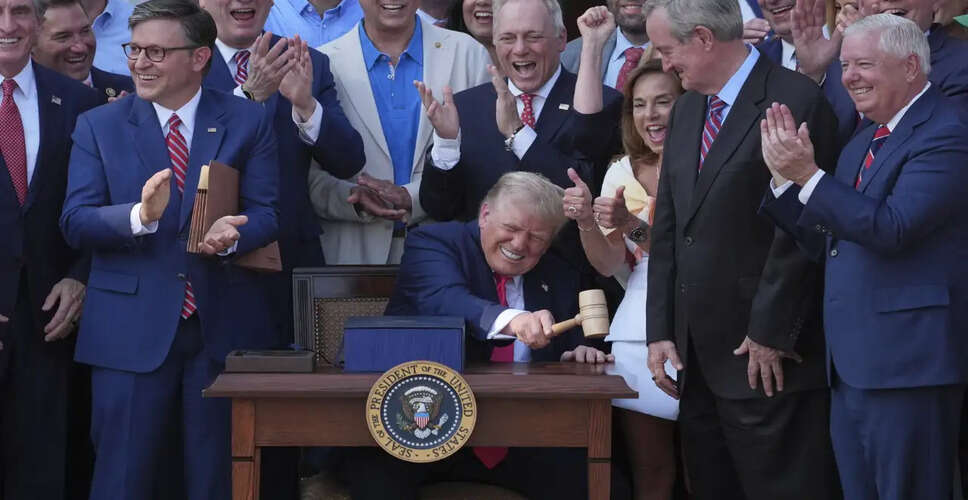
The United States is marking a significant milestone that few generations experience: the 250th anniversary of the Declaration of Independence. Cities nationwide are organizing various events to celebrate this semiquincentennial, culminating in the Fourth of July festivities on Friday. From Washington, D.C., to Philadelphia, and from Los Angeles to Times Square, the celebrations extend well beyond the usual Independence Day activities. President Donald Trump has taken center stage at many of these events, using the anniversary to promote what his administration calls a revitalized appreciation for American history, patriotism, and national identity. Congress has allocated $150 million in federal funding for the occasion, while the Freedom 250 initiative, launched during Trump's presidency, has contributed millions more to support a wide array of events. Together with the America250 Commission, they have organized ceremonies, exhibitions, concerts, and large public gatherings that will continue into early July. However, these celebrations have sparked debate, with some critics arguing that certain events blur the lines between national commemoration and a showcase for the presidency.
Trump's Independence Week: Key Events
Earlier this week, Trump inaugurated the Theodore Roosevelt Presidential Library in Medora, North Dakota, expressing admiration for Roosevelt as one of the nation's most esteemed leaders. This event is part of a larger agenda leading up to Independence Day, connecting America's historical legacy with the 250th birthday celebrations. On July 3, Trump is set to visit Mount Rushmore National Memorial in South Dakota for the first major fireworks display at the site in six years. The iconic landmark, featuring the faces of George Washington, Thomas Jefferson, Theodore Roosevelt, and Abraham Lincoln, is a highlight of this year's anniversary events. Trump will address attendees before heading back to Washington for the national celebrations.
The main event occurs on July 4, when the President will speak on the National Mall, followed by a grand fireworks display to conclude the evening. This address will take place during a significant heatwave affecting parts of the eastern U.S., with preparations underway for large crowds despite the extreme temperatures.
Fireworks, State Fair, and Nationwide Festivities
The National Mall is also hosting a 16-day State Fair from June 25 to July 10, featuring exhibits from all 50 states, five territories, and the District of Columbia. Organizers aim to showcase America's regional diversity through cultural displays and public events. The entertainment lineup has changed after several artists, including Martina McBride and The Commodores, withdrew from their performances. Trump announced a new musical lineup, branding it as "the Greatest Rally, EVER!" Country singer Alexis Wilkins performed the national anthem at one of the opening events.
The Independence Day finale is anticipated to be one of the largest fireworks displays in U.S. history, with Freedom 250 planning to launch over 860,000 fireworks during a 40-minute "Salute to America" display in Washington, aiming to break the world record for the biggest fireworks show. Celebrations are not limited to the capital; Times Square will host a special Independence Day ball drop at midnight across all American time zones, while Philadelphia plans to bury a time capsule that will remain sealed until 2276, the nation's 500th anniversary. Los Angeles is organizing a large public concert expected to attract tens of thousands, and community events are scheduled in cities like Milwaukee.
However, not all anniversary-related projects have been free from controversy. Renovations at the Lincoln Memorial Reflecting Pool, part of a broader beautification initiative in Washington, faced criticism after the newly applied blue paint began to peel and algae formed on the water's surface. Trump defended the restoration efforts, asserting that they would address long-standing maintenance issues despite facing legal challenges from preservation groups.